
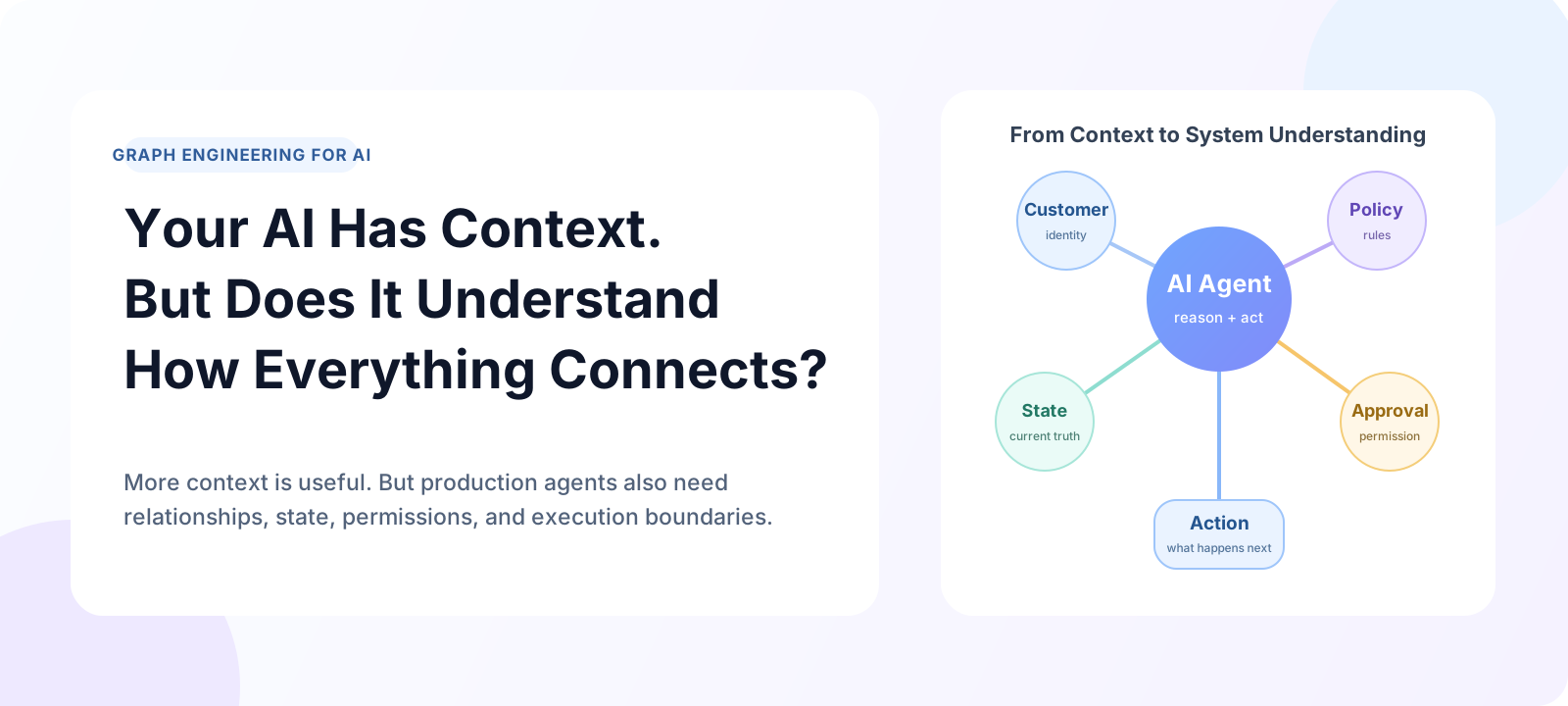
Does Your AI Understand How Context Connects?
Why reliable AI agents need structured relationships, state, and rules—not simply more context.
Read More →Insights on AI agents, SaaS automation, and intelligent workflows from the SaaSToAgent team.
Why reliable AI agents need structured relationships, state, and rules—not simply more context.
Read More →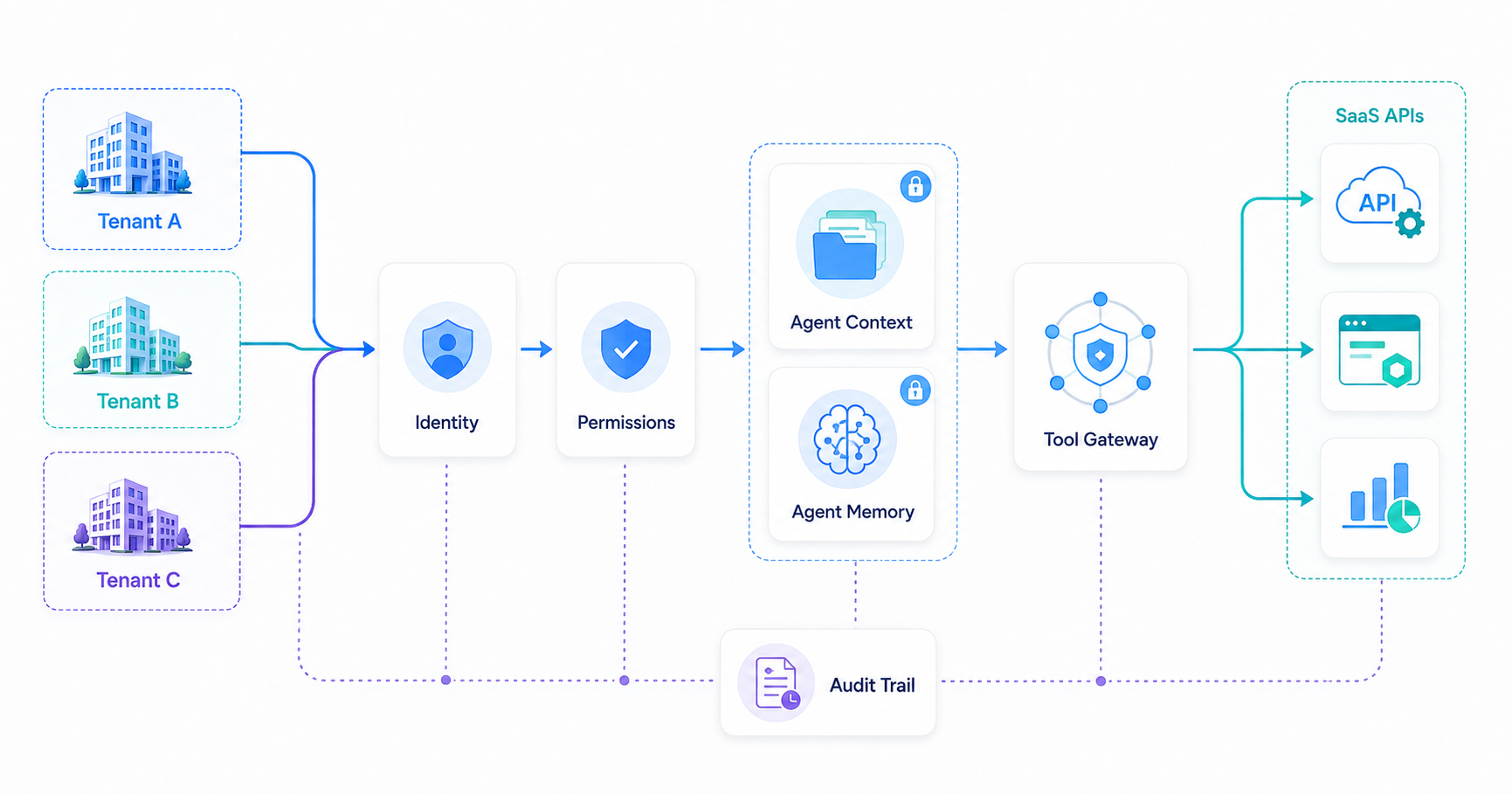
How tenant isolation, identity, memory, permissions, and tool access must follow an AI agent through a multi-tenant SaaS product.
Read More →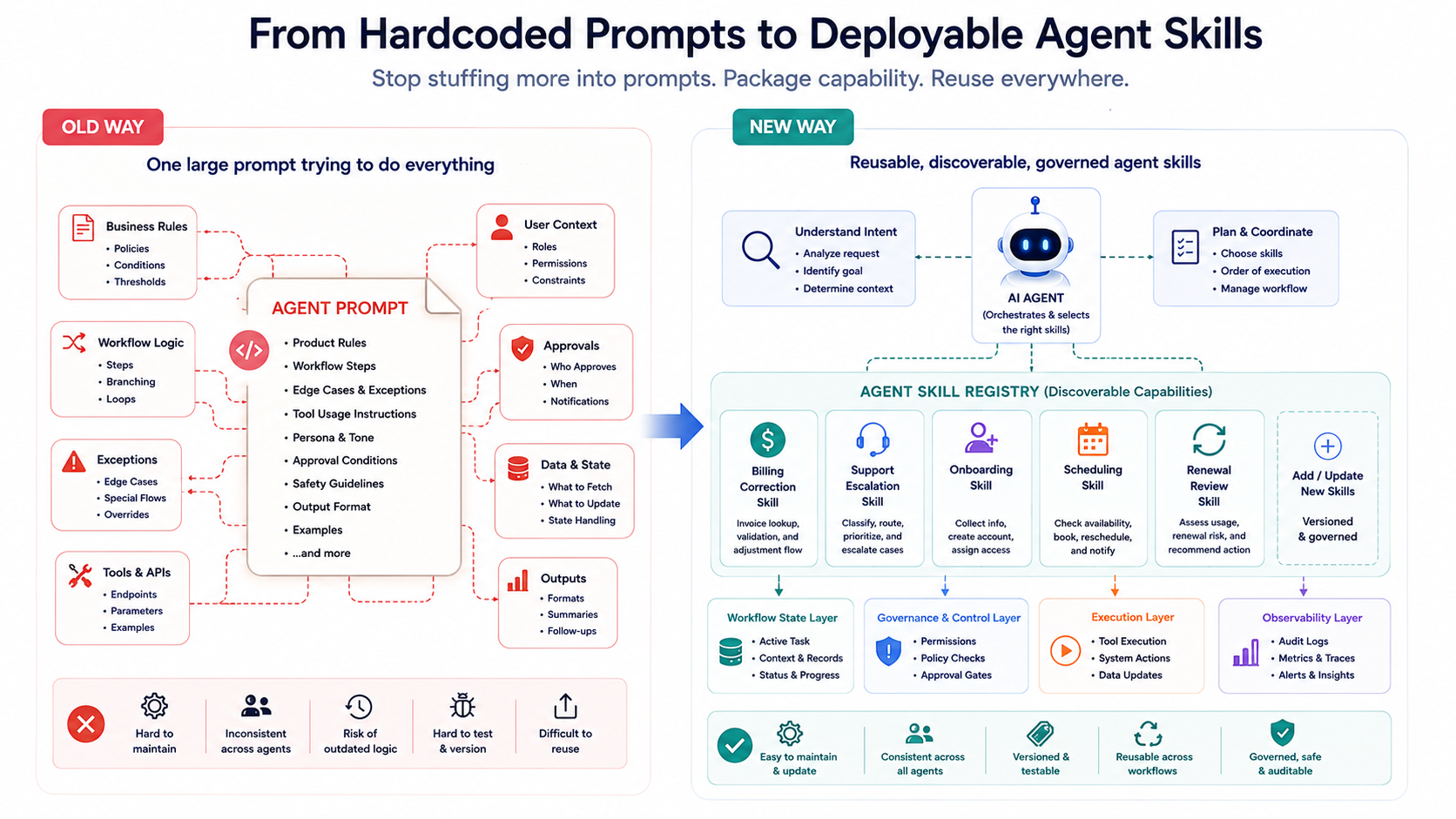
Why SaaS agents need reusable, governed skill registries and deployable capabilities instead of bigger prompts stuffed with workflow logic.
Read More →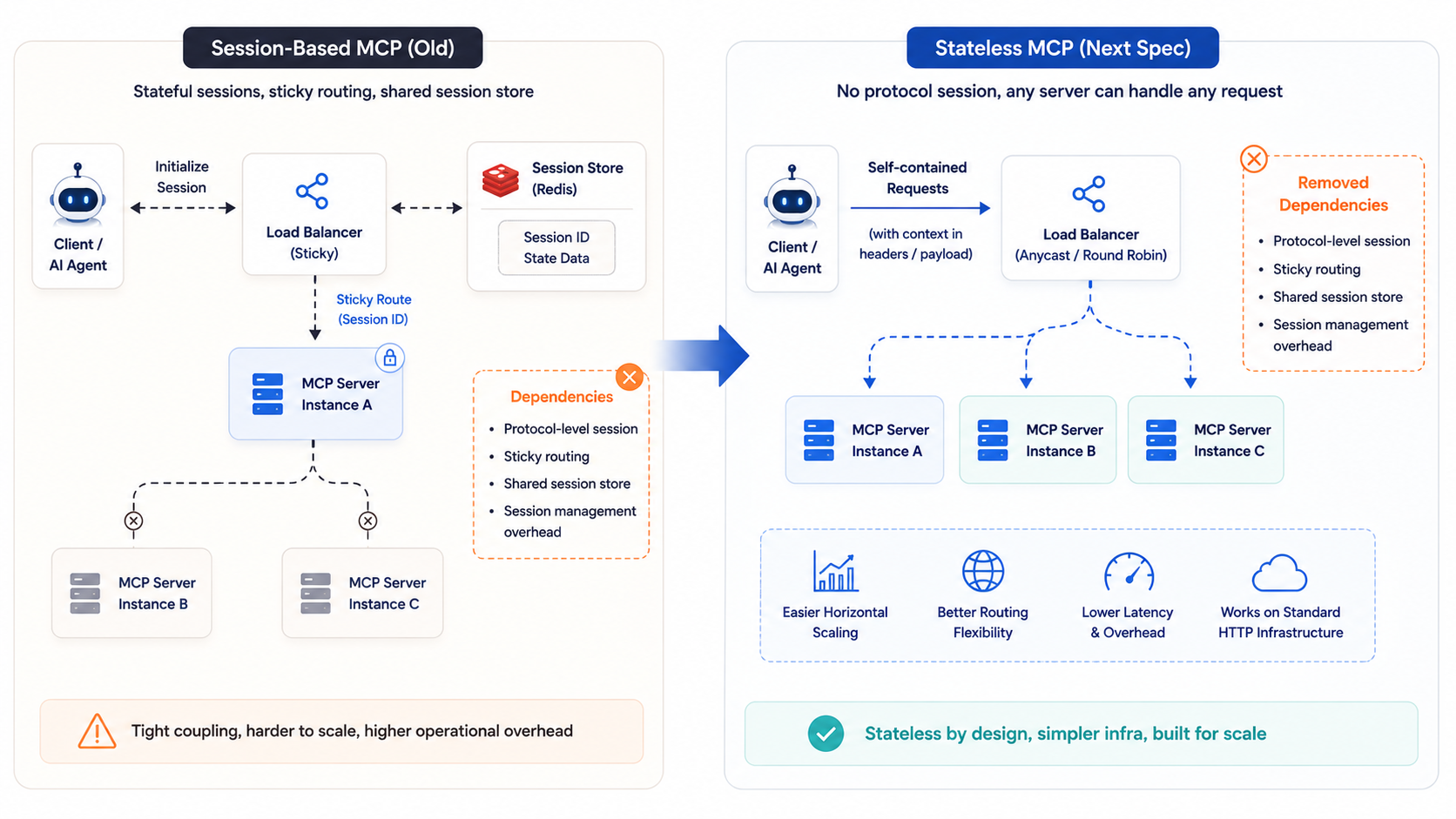
Stateless MCP makes the tool layer easier to scale, but production SaaS agents still need workflow state, governance, approvals, and auditability outside the protocol.
Read More →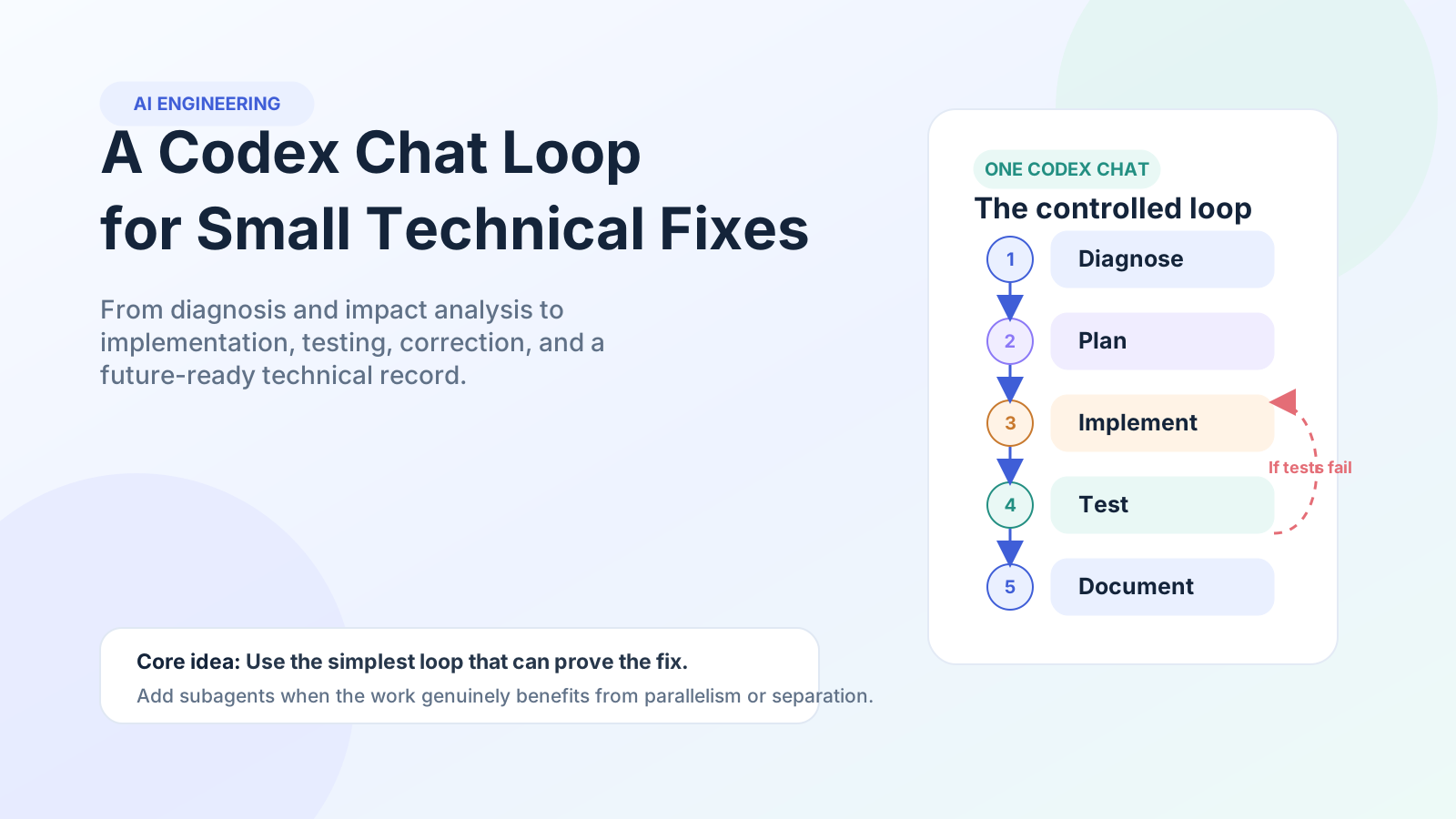
A practical workflow for carrying a focused technical issue from diagnosis to a reviewable, tested, and documented resolution.
Read More →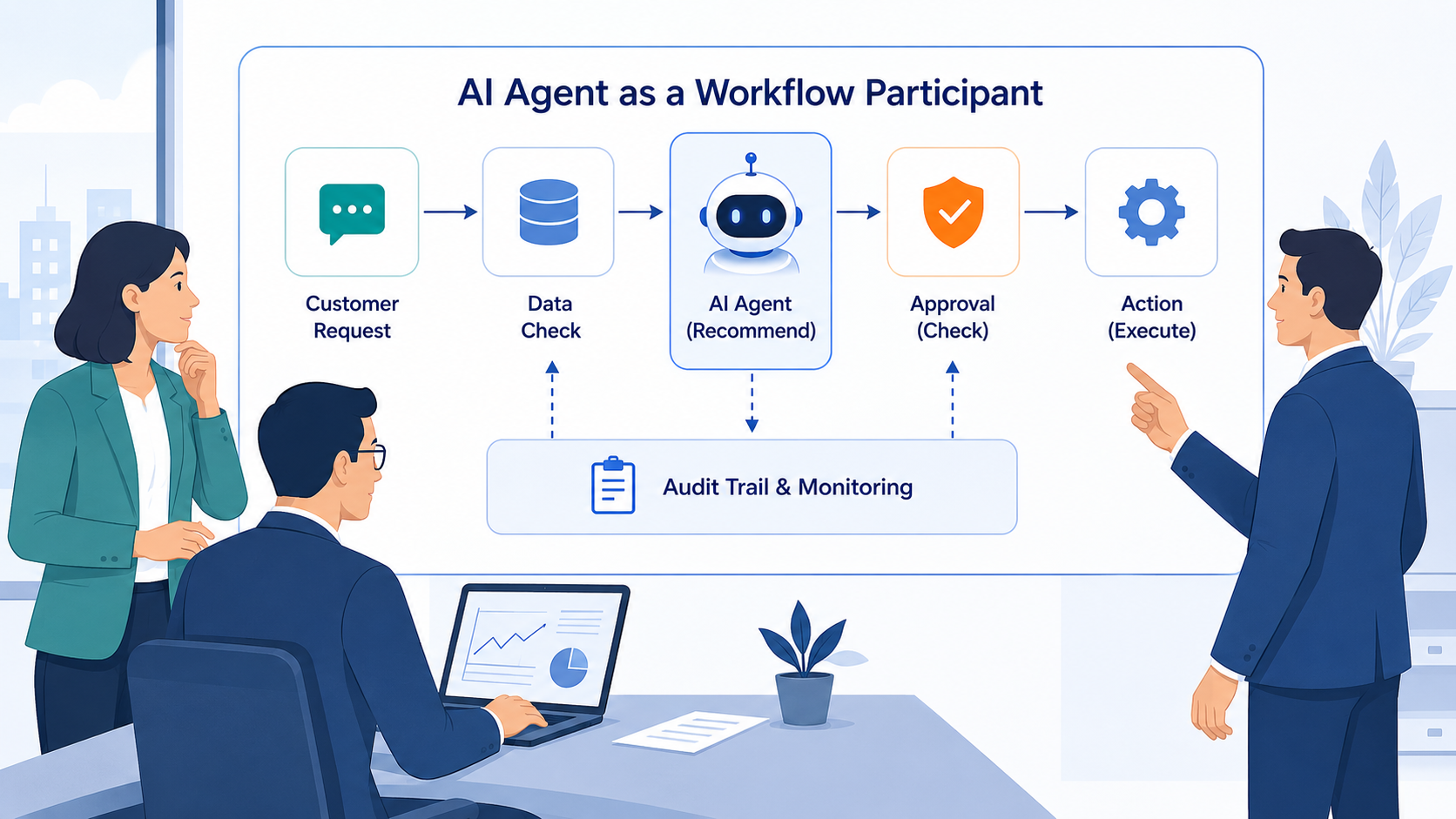
A CEO playbook for making existing SaaS workflows agent-ready through operating models, workflow selection, action boundaries, and built-in governance controls.
Read More →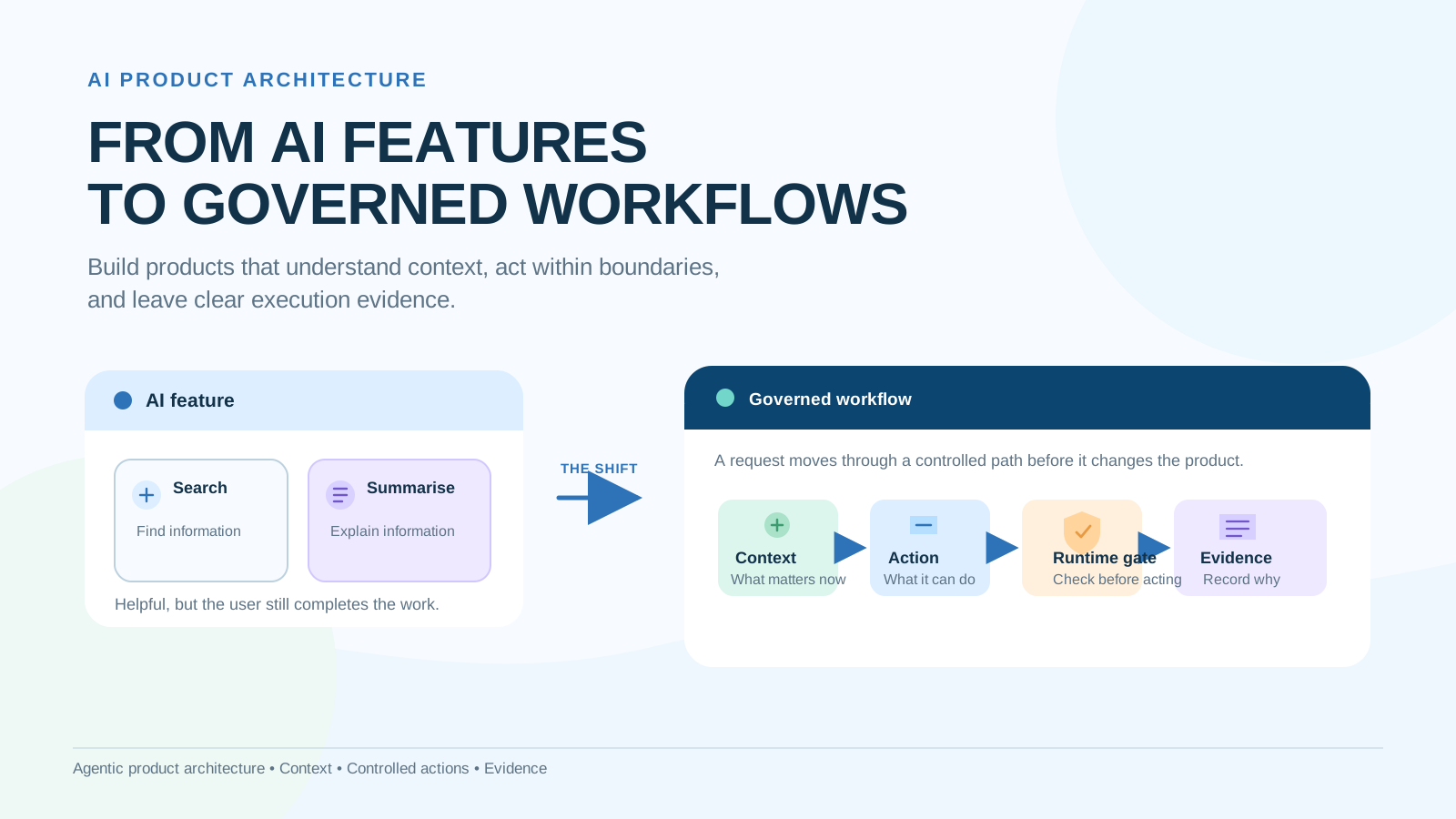
AI features can answer and assist. Agent-ready products can help work move forward inside clear business boundaries.
Read More →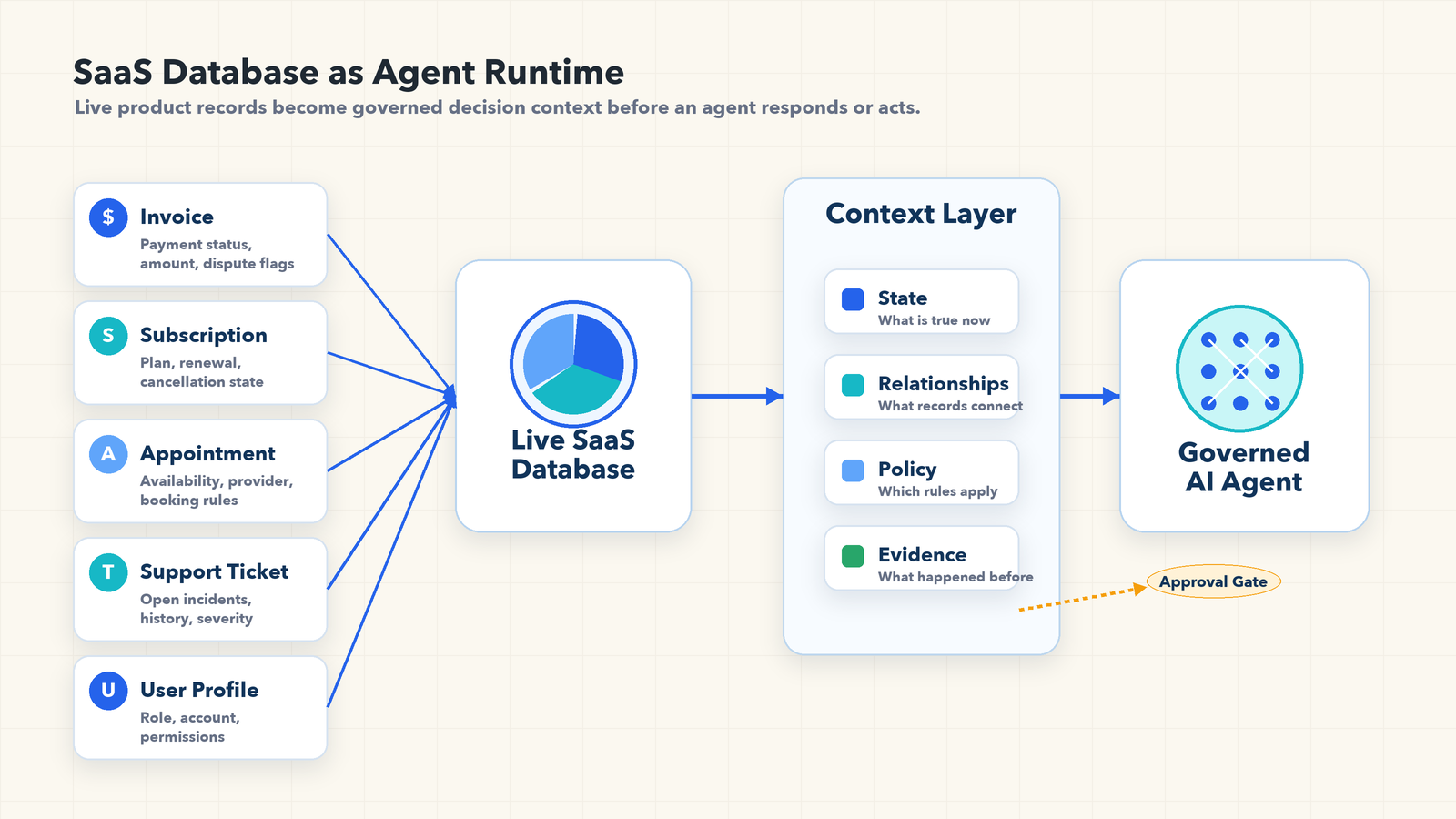
Why trusted agents need a context engine built on live business state, relationships, permissions, policies, and execution evidence.
Read More →
Compare the best RAG development companies for enterprise in 2026, with criteria for agentic RAG, retrieval evaluation, governance, and compliance.
Read More →
Learn what applied agentic AI transformation looks like in 2026, why most pilots stall, and how teams move from experiments to governed production workflows.
Read More →
Compare top multi-agent orchestration companies to hire in 2026 and learn what separates production-ready vendors from single-agent chatbot shops.
Read More →
Compare the best AI agent development companies for fintech SaaS products in 2026, with a focus on compliance, audit trails, and SaaS-native integration.
Read More →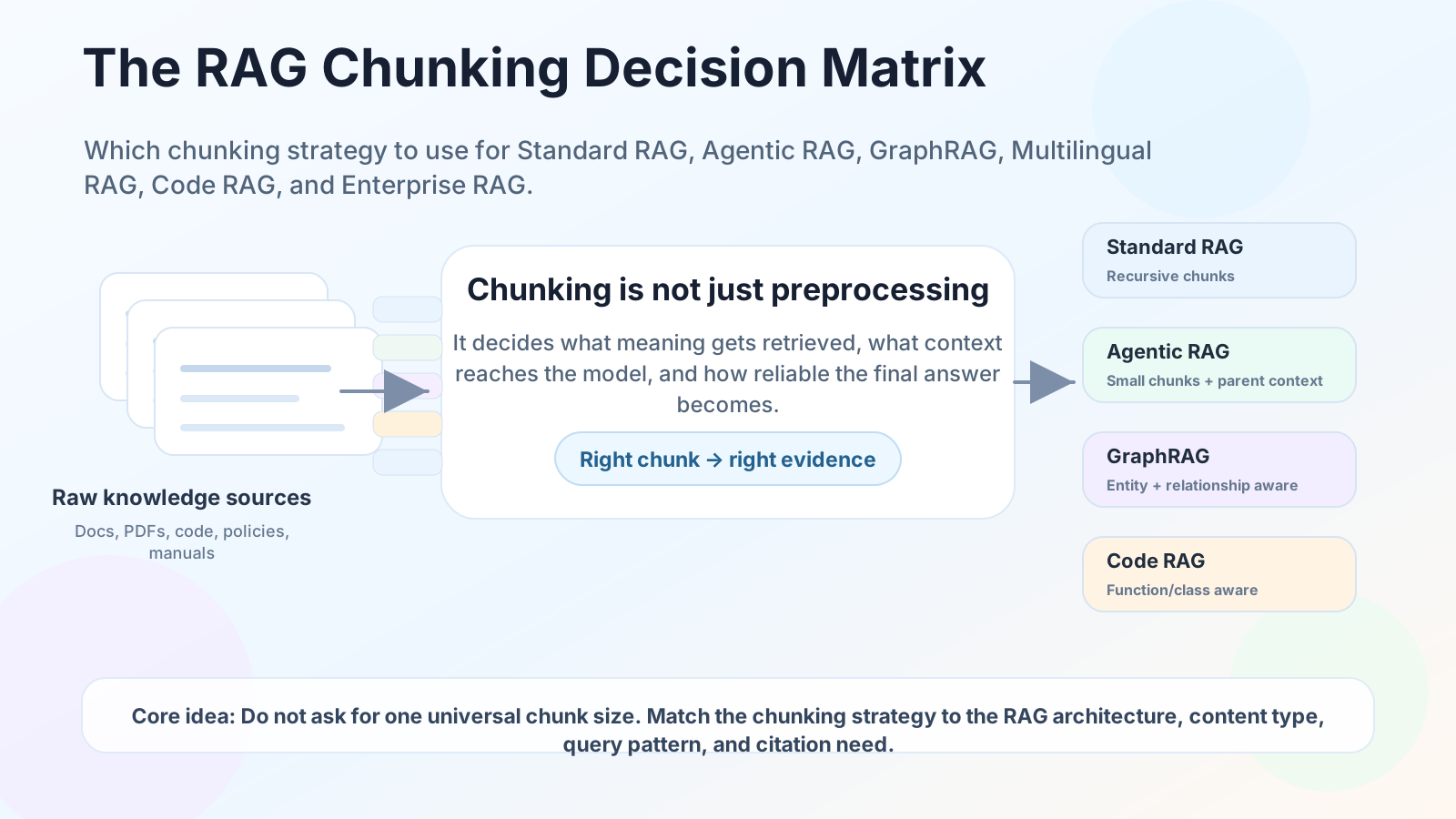
Choose the right chunking strategy for standard RAG, Agentic RAG, GraphRAG, multilingual RAG, code RAG, enterprise documents, legal content, tables, and multimodal systems.
Read More →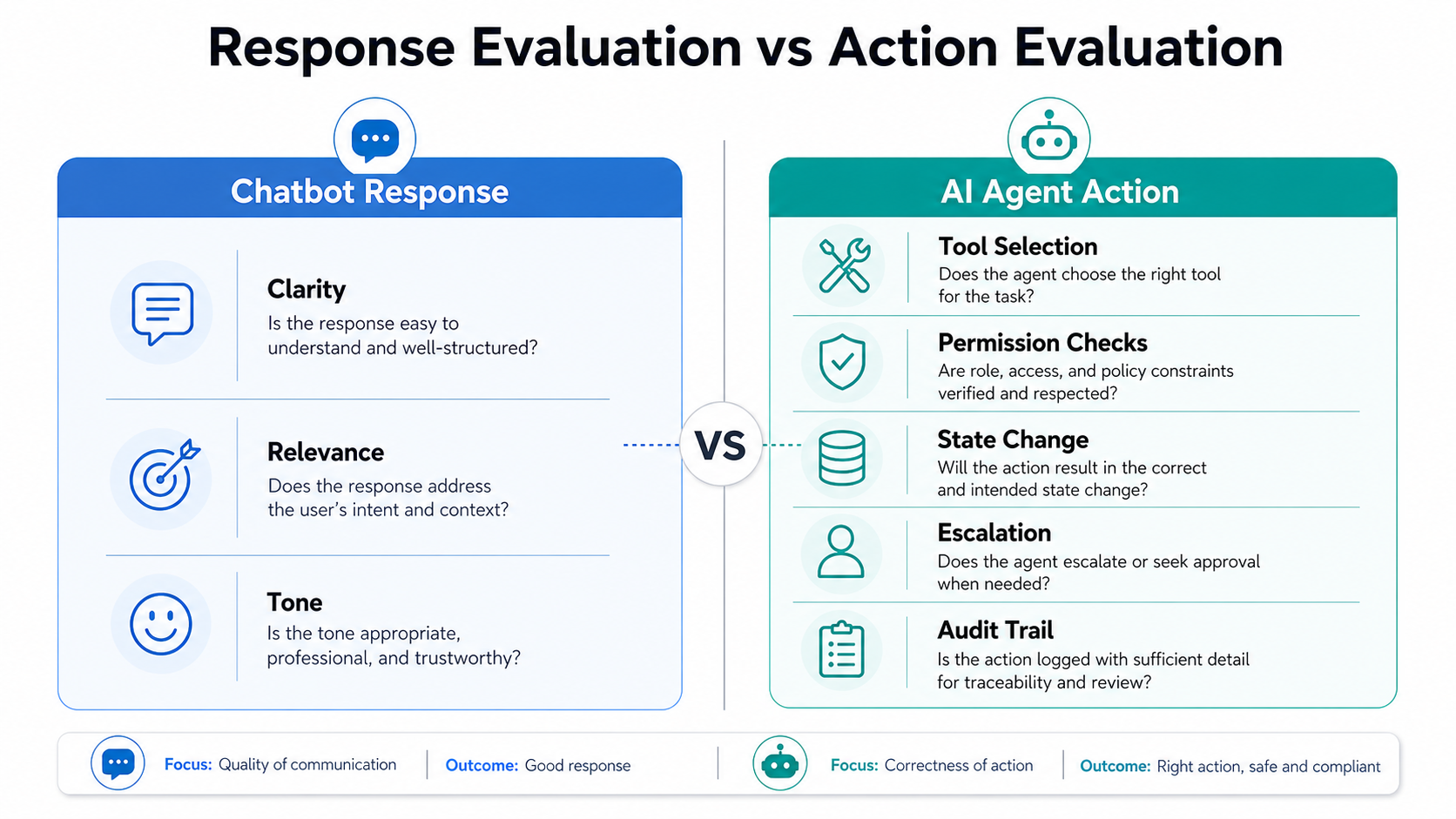
Evaluate AI agents before business actions with tool-call validation, policy checks, state inspection, escalation testing, and monitoring.
Read More →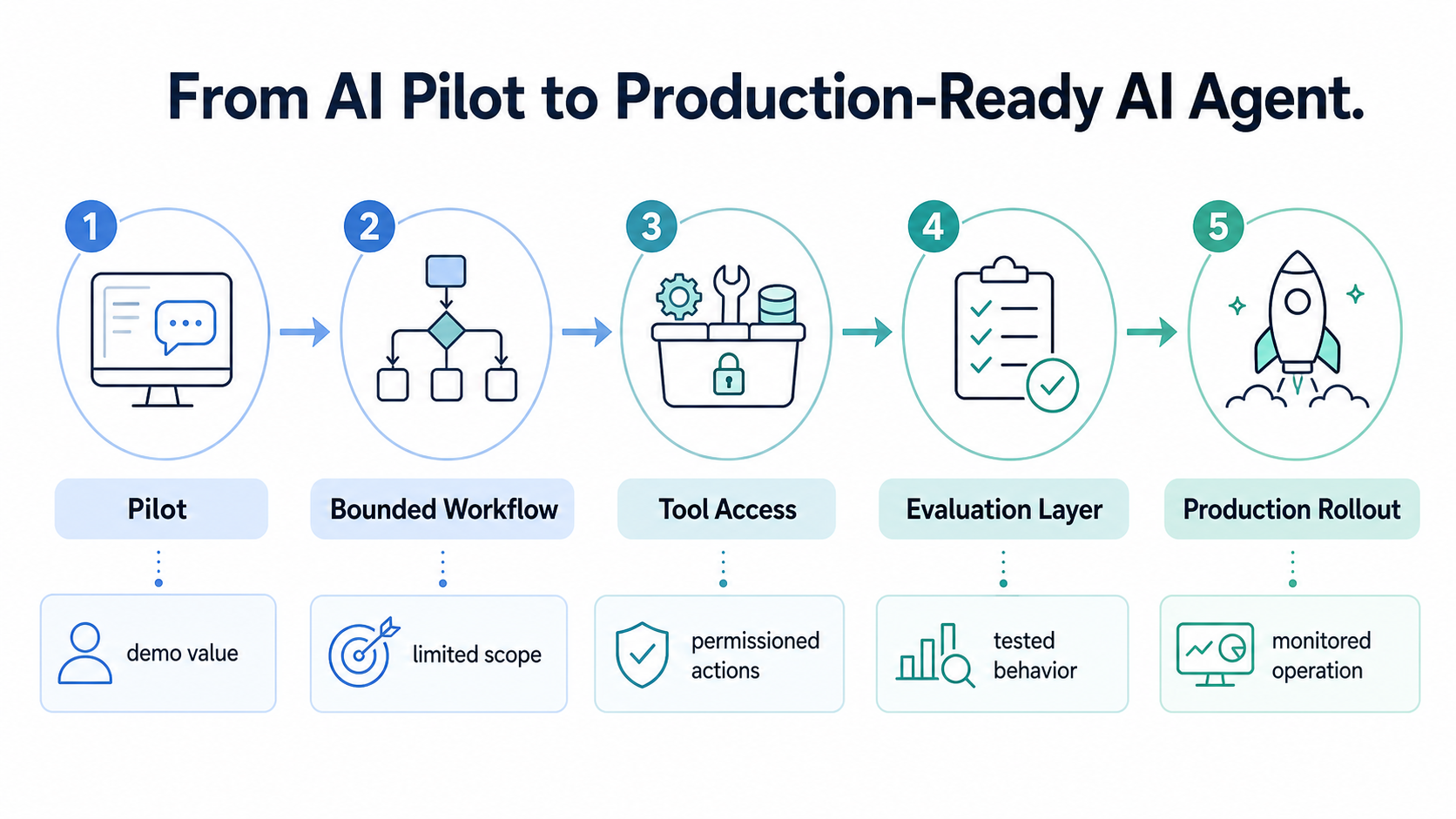
How organizations can move from AI pilots to production-ready AI agents through bounded autonomy, governance, evaluation, monitoring, and controlled rollout.
Read More →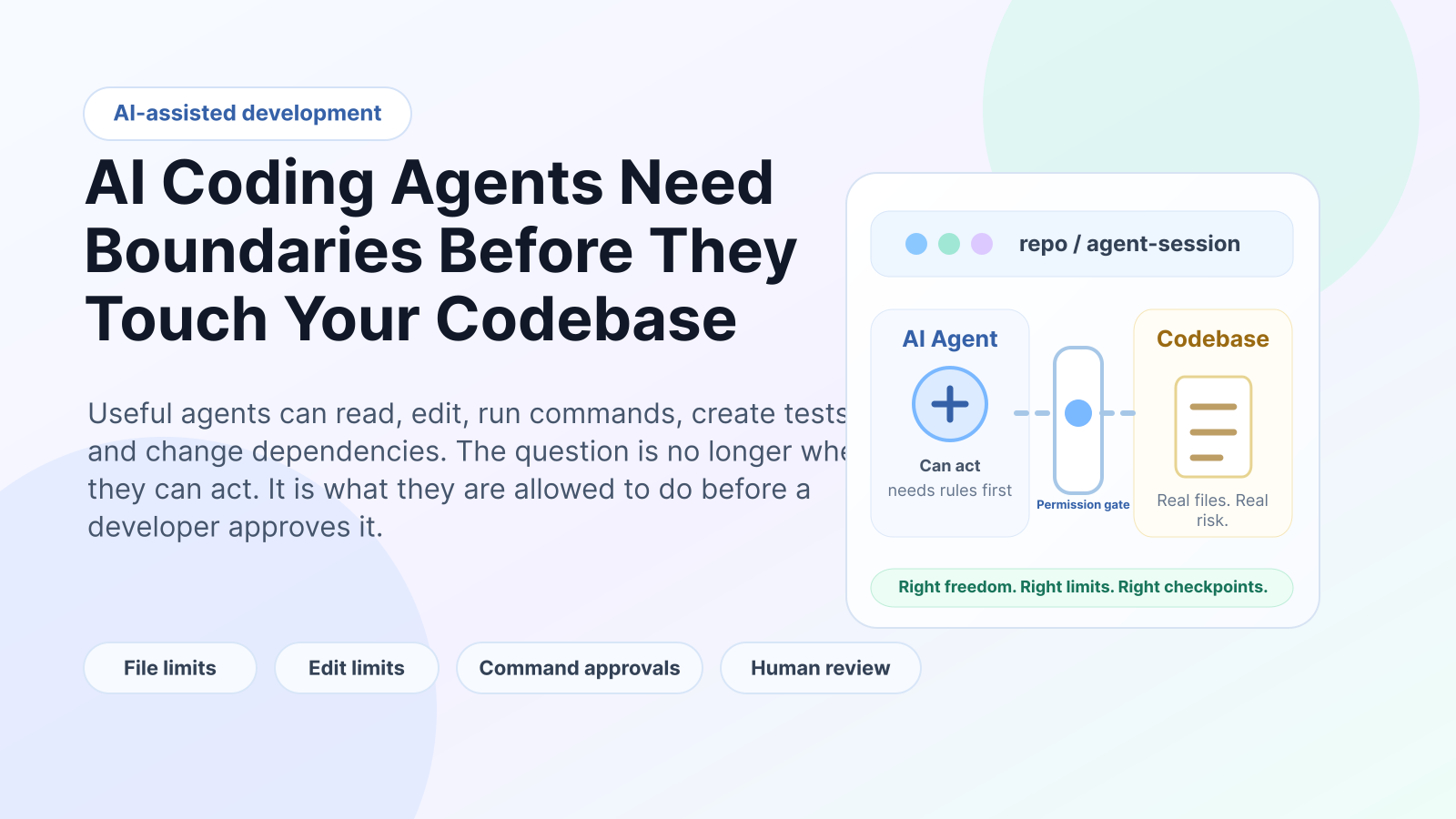
AI coding agents can act across a repository. Clear file, edit, command, dependency, test, refactor, and approval boundaries keep that power controlled and reviewable.
Read More →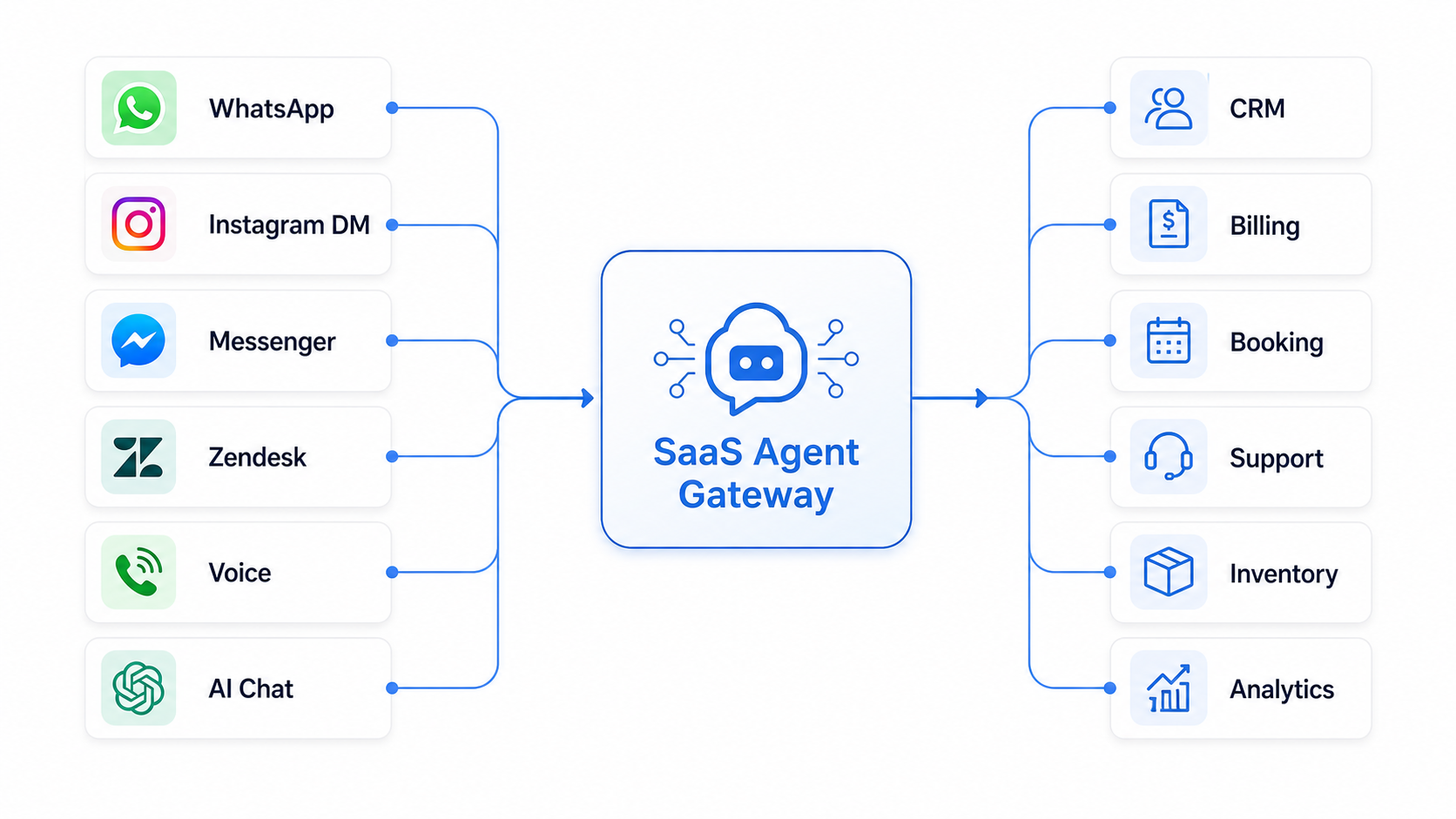
Channel-native agents need a governed gateway for identity, permissions, workflow state, approvals, handoff, and audit logs before they can safely execute SaaS work from customer channels.
Read More →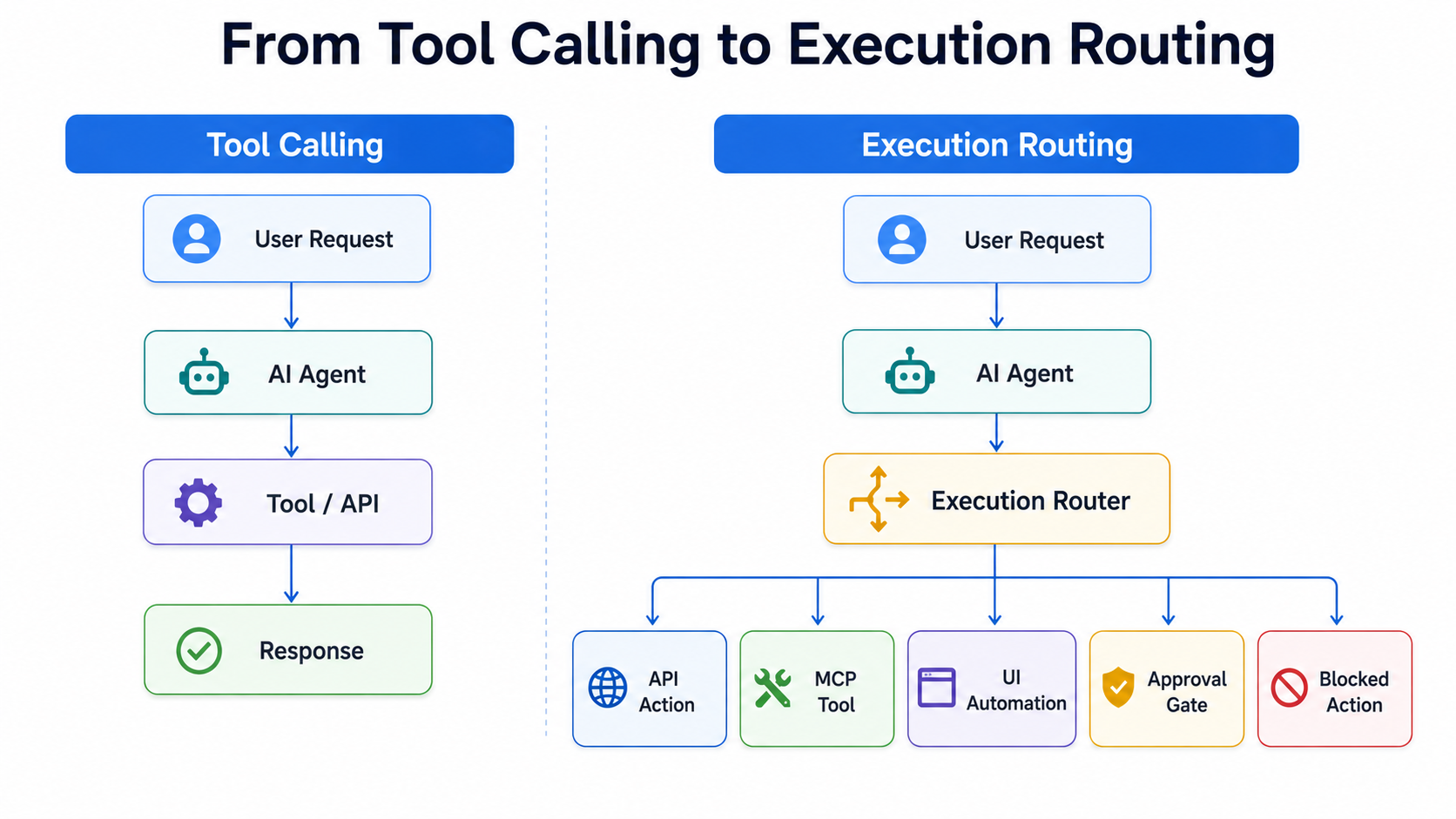
Tool calling is enough for a demo. Execution routing makes SaaS agents production-ready by governing how intent becomes API actions, MCP calls, UI automation, approvals, or blocked paths.
Read More →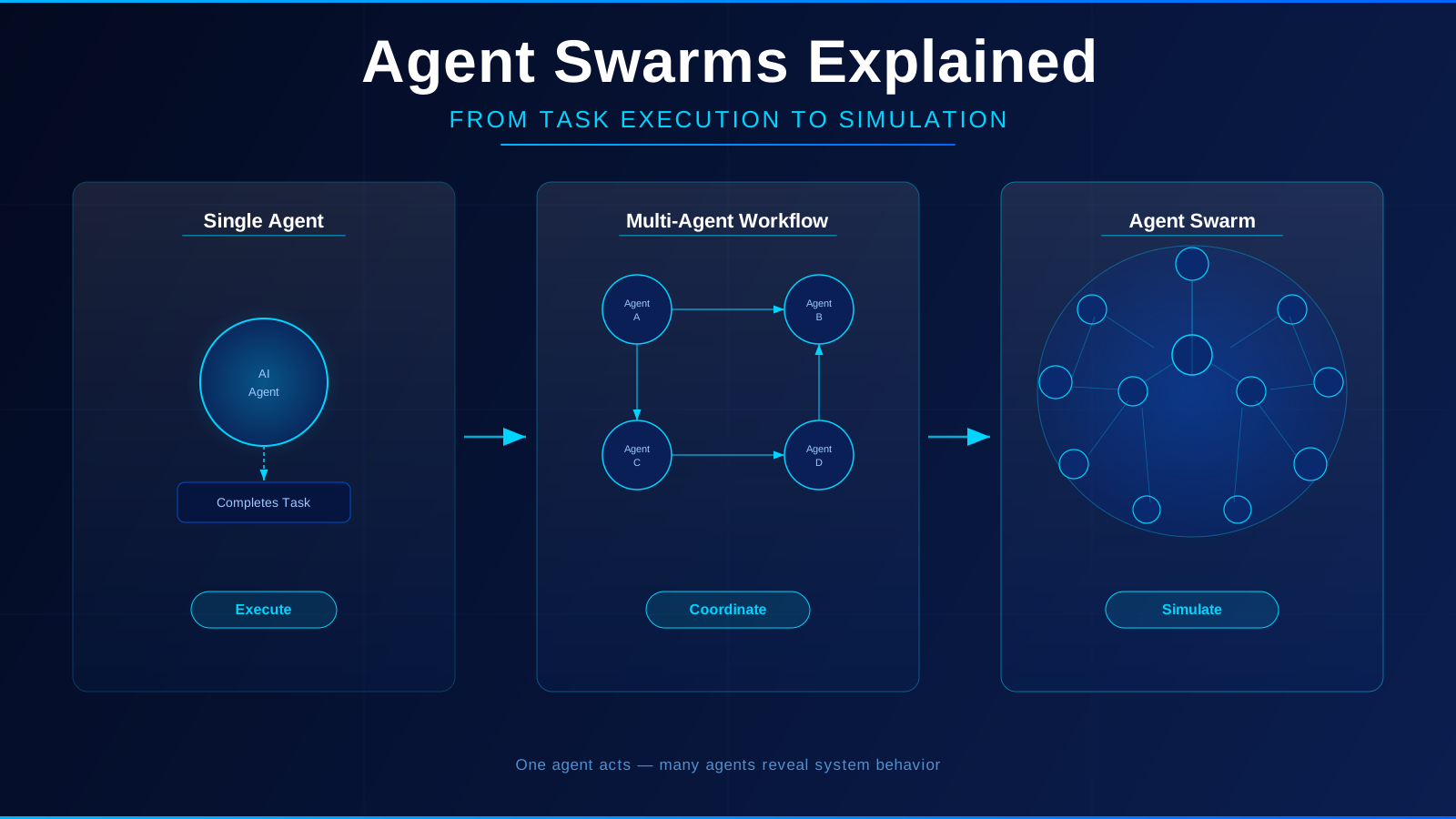
A practical guide to agent swarms as simulation systems: what they are, how they differ from multi-agent workflows, where they fit, and why governance matters as complexity grows.
Read More →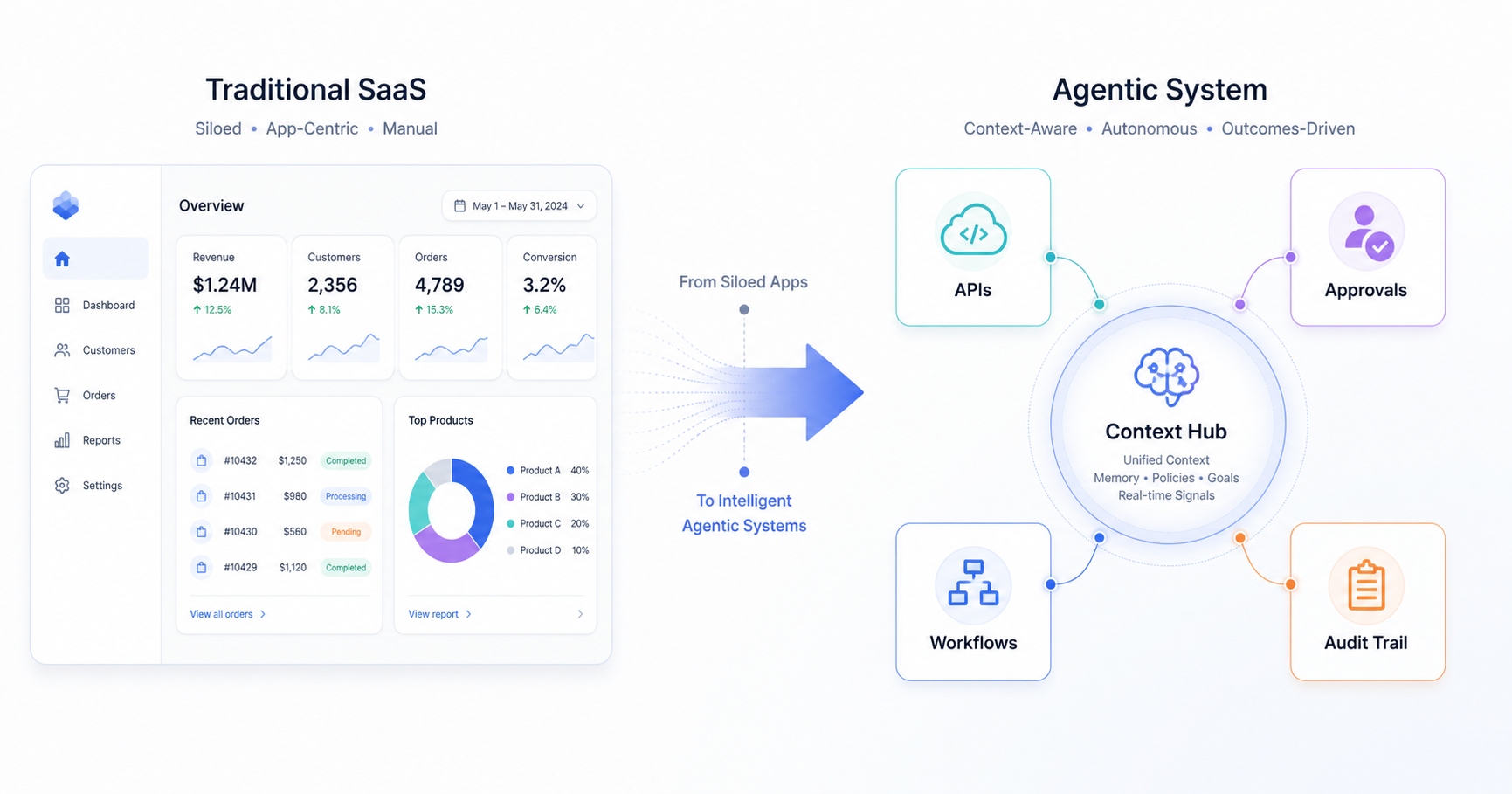
Existing SaaS products expose interfaces, not intent. This article explains why safe agent deployment depends on explicit operating models, action contracts, and review gates.
Read More →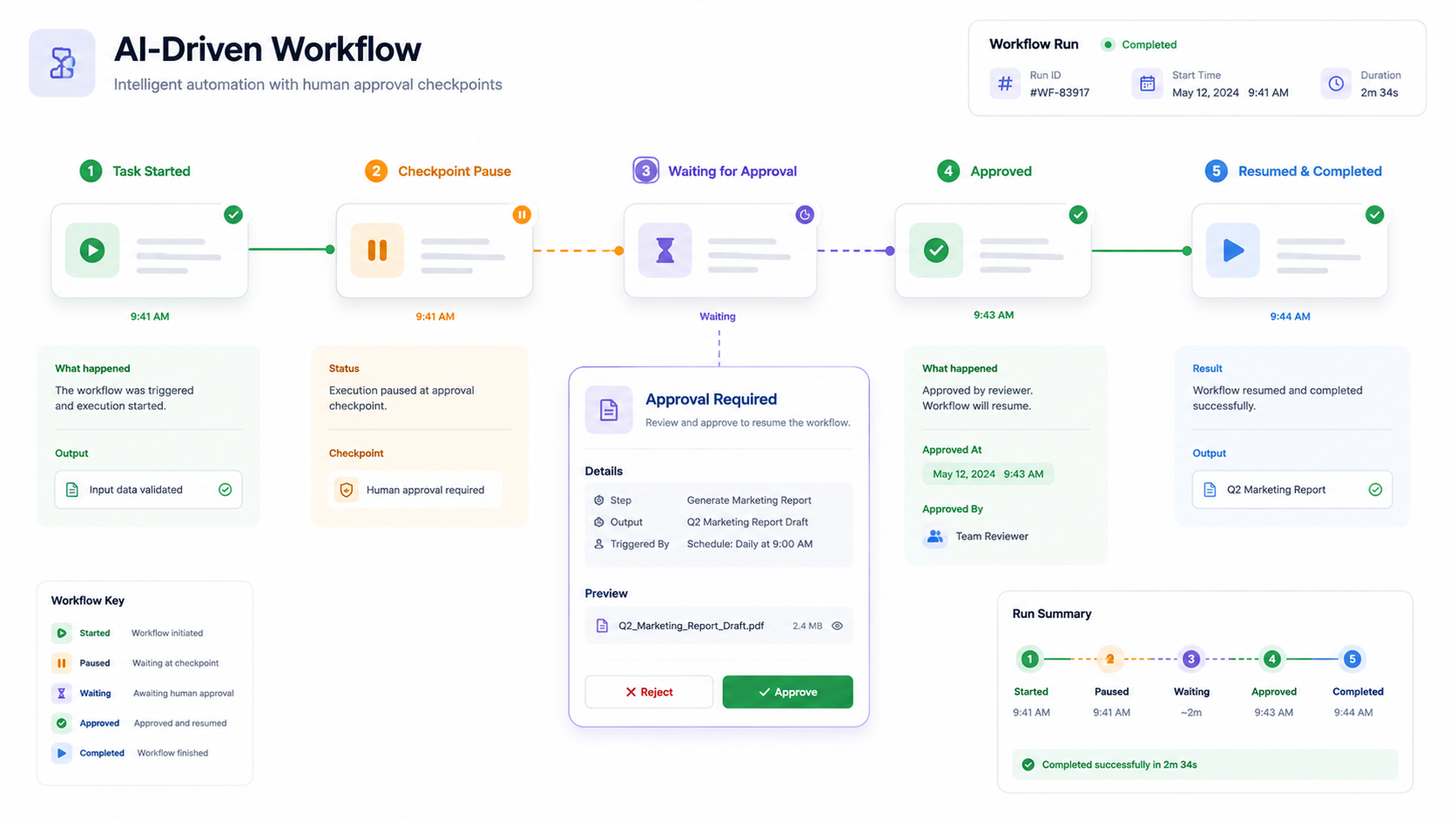
Long-running agents help SaaS workflows continue across delays, approvals, handoffs, and system events without losing state, context, or execution control.
Read More →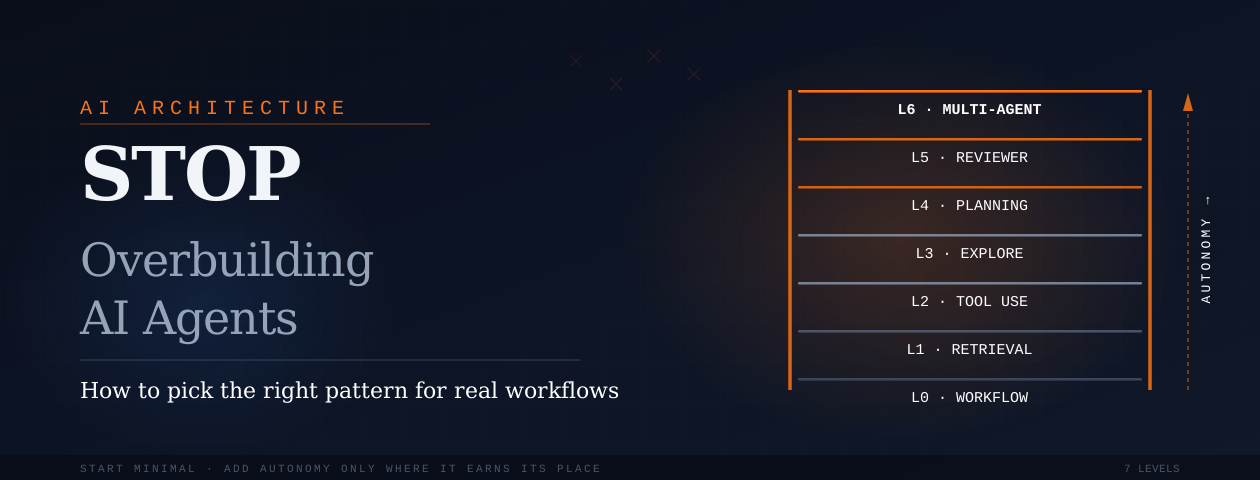
A practical framework for choosing the right agent pattern, from fixed workflows and retrieval to tool use, planning, review loops, and multi-agent systems.
Read More →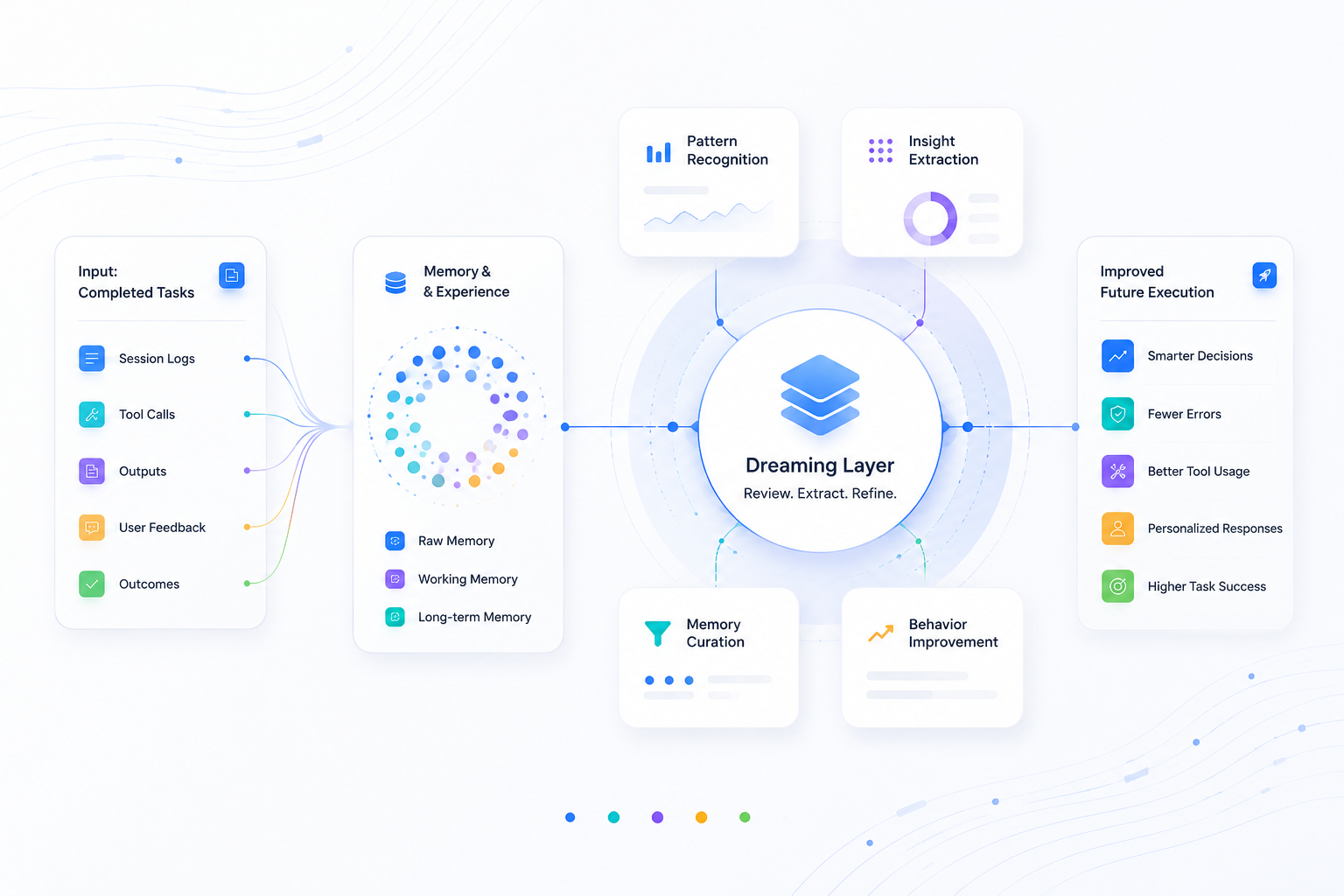
Anthropic's new dreaming feature points to the next production layer for agents: offline memory review, governed learning, and better execution over time.
Read More →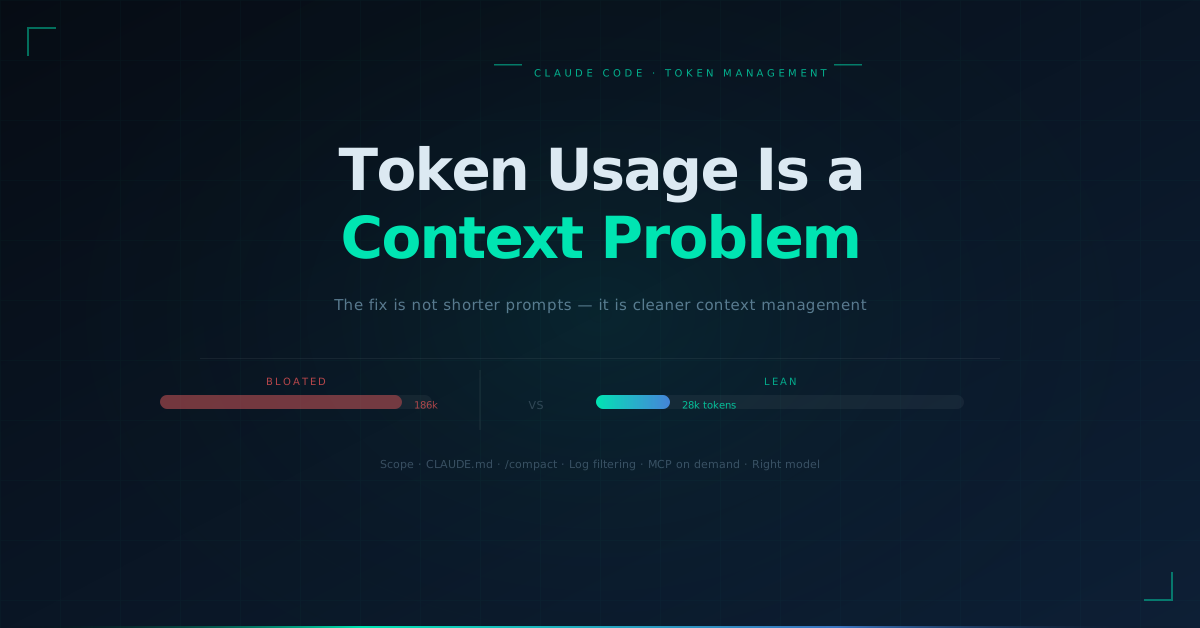
Claude Code token usage grows when sessions carry too much irrelevant context. Learn practical ways to manage context with scoped prompts, CLAUDE.md hygiene, log filtering, and the right use of /compact and /clear.
Read More →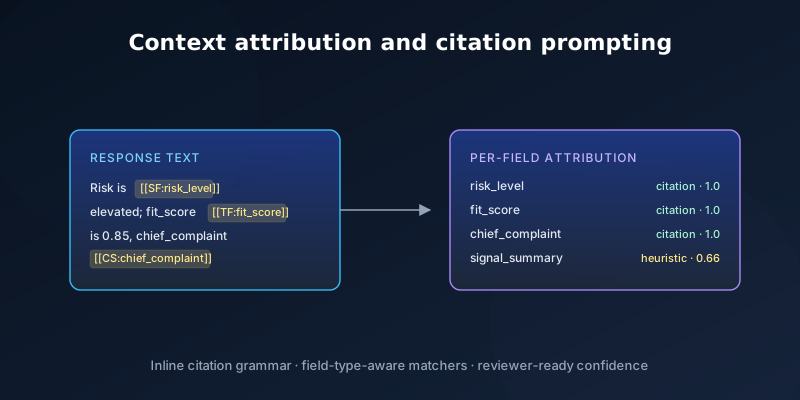
An inline citation grammar plus a field-type-aware matcher: two tracks producing the same per-field confidence shape and giving reviewers an inspectable attribution surface.
Read More →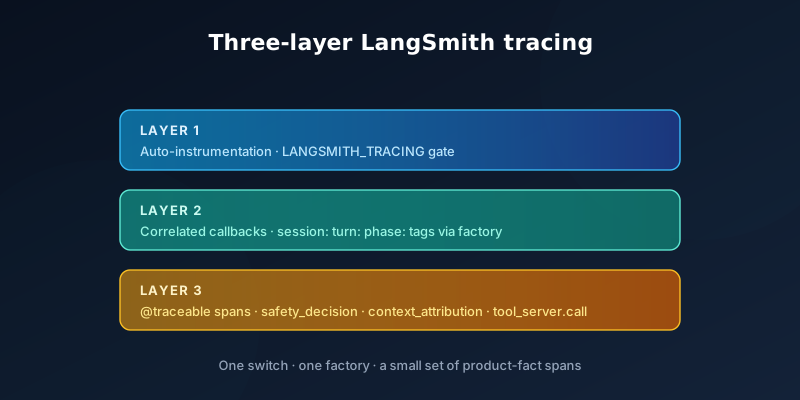
One config gate, one LLM factory with correlation tags, and a small set of @traceable spans. A pragmatic tracing layout that scales from "traces exist" to "I can debug this turn three days later."
Read More →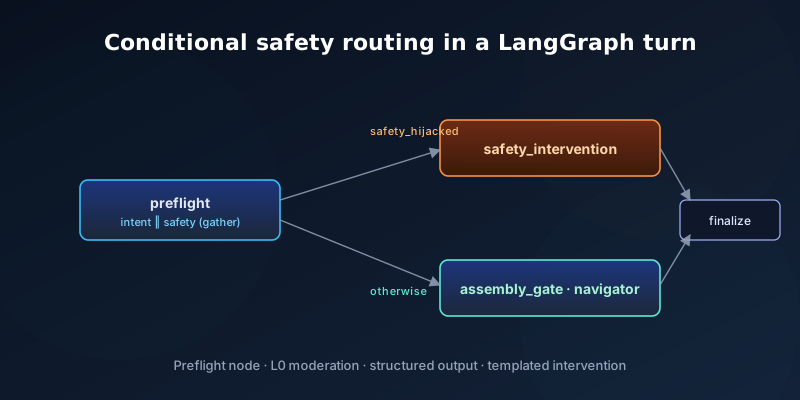
Intent and safety classification run concurrently inside one preflight node; a conditional edge routes hijacked turns to a templated, auditable safety intervention.
Read More →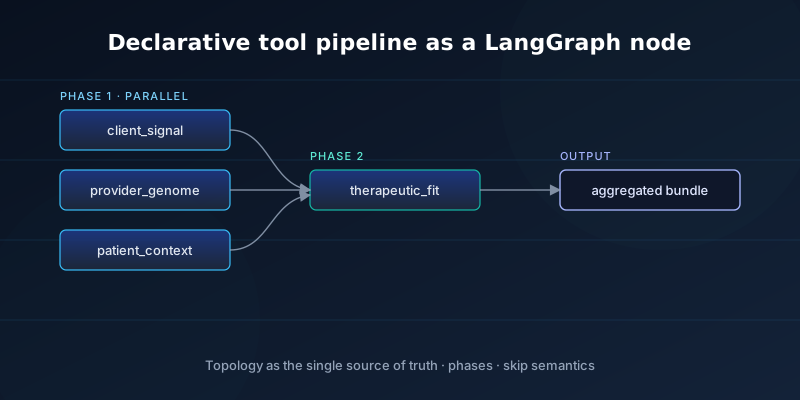
Declare a whole-turn LangGraph topology in one typed spec, fan tool calls out inside a node with a config-driven dispatcher, and let skip semantics earn the most.
Read More →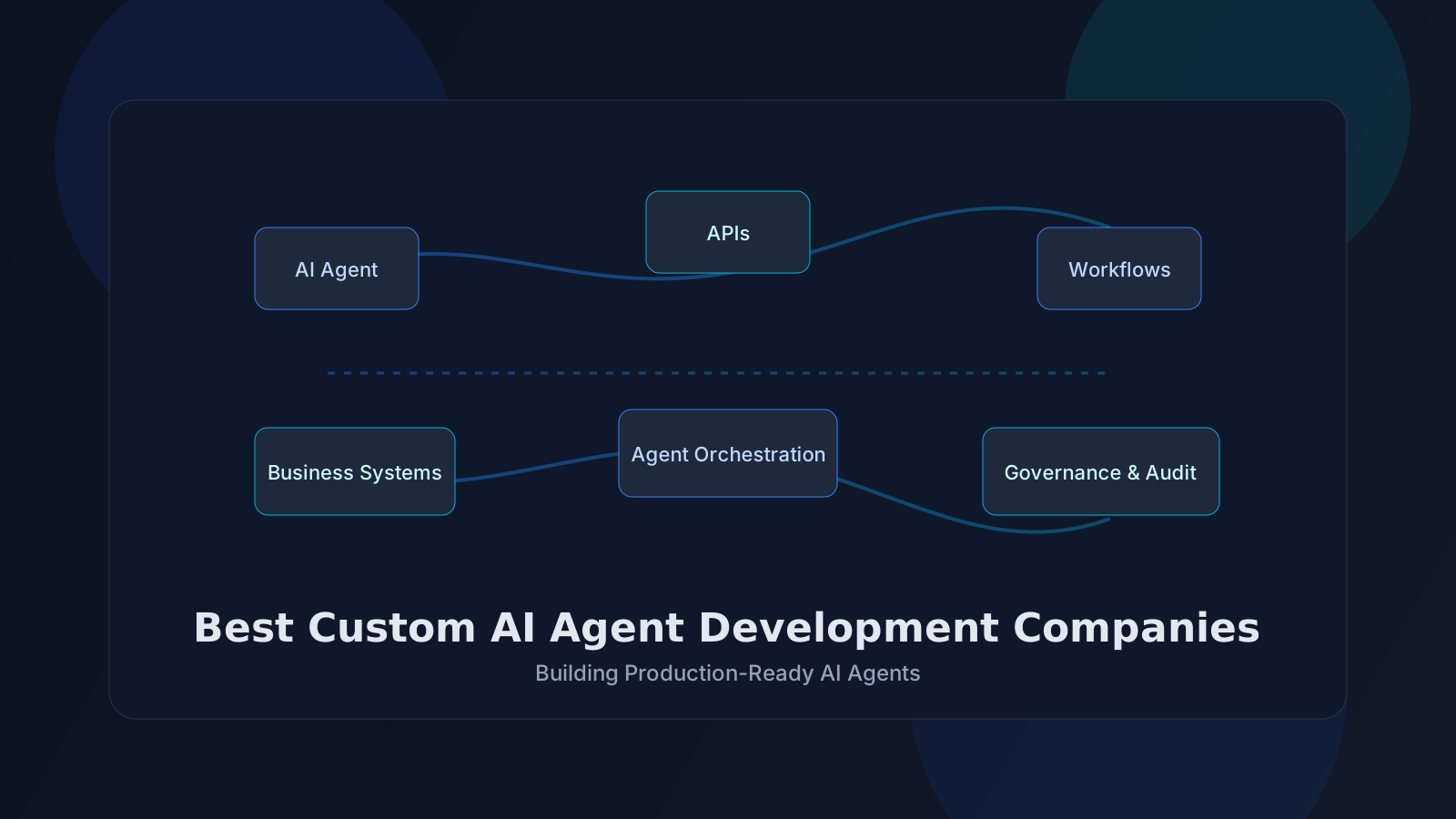
Compare healthcare AI development companies and custom AI healthcare solutions with a workflow-focused evaluation approach for implementation teams.
Read More →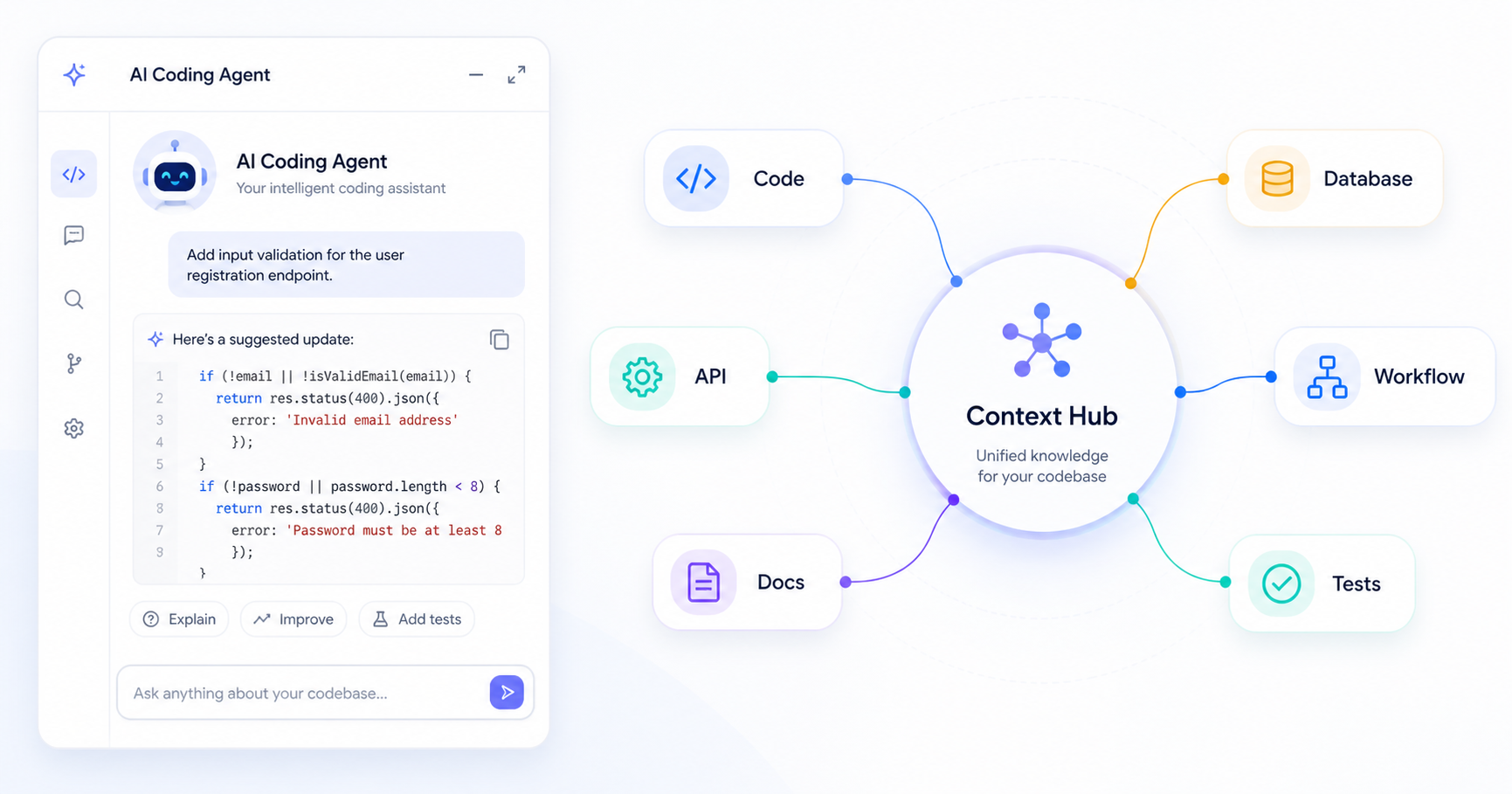
Knowledge graphs give AI coding agents system context, helping them understand dependencies, plan safer changes, and act more usefully inside real software teams.
Read More →
Agent harness engineering turns AI agents from impressive demos into governed systems by controlling tools, context, memory, approvals, evaluations, and runtime behavior.
Read More →
Compare leading custom AI agent development companies and learn how to choose the right partner for traditional businesses, SaaS products, workflow automation, and enterprise AI adoption.
Read More →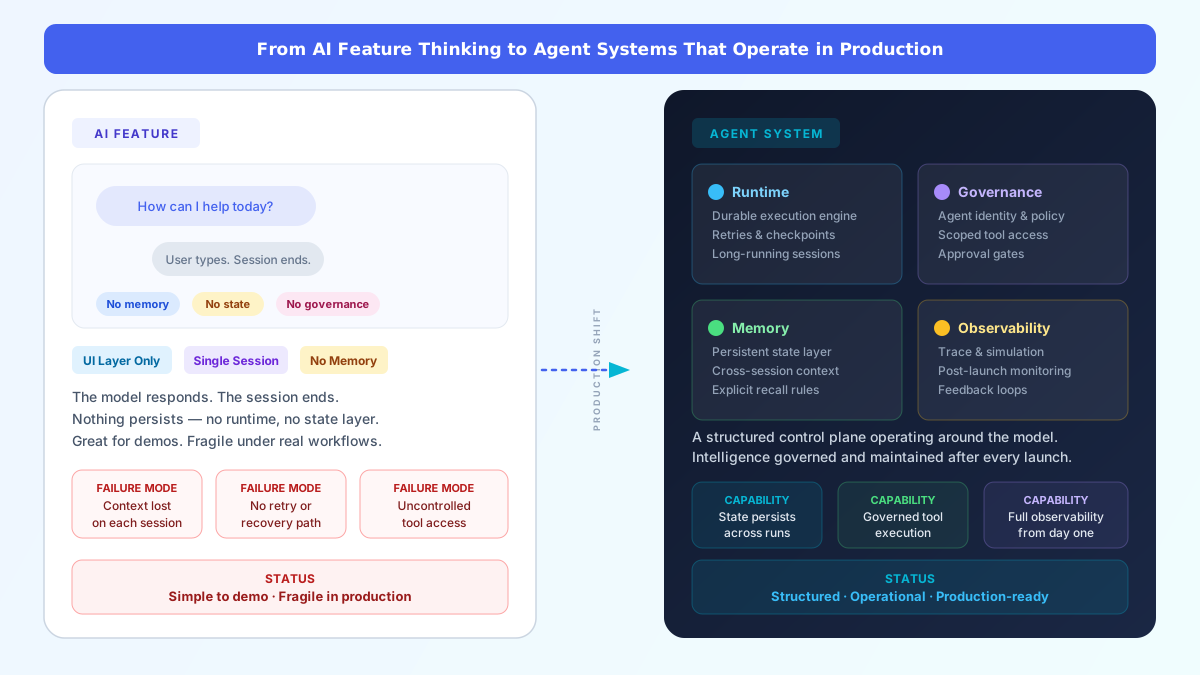
Google's latest platform framing matters because it shifts the conversation from AI features to runtime, memory, governance, and observability for production agents.
Read More →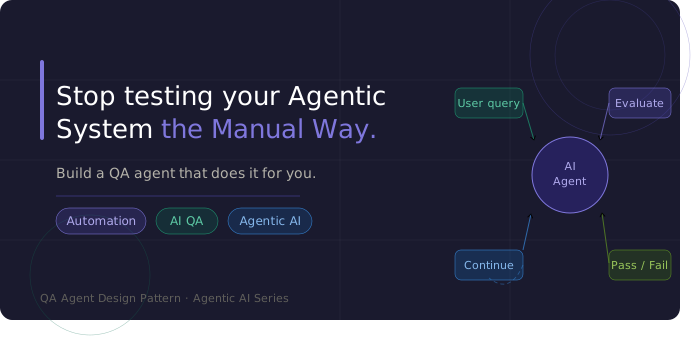
How an automated QA loop with an LLM judge helps teams catch issues early, handle approvals safely, and scale agentic products with confidence.
Read More →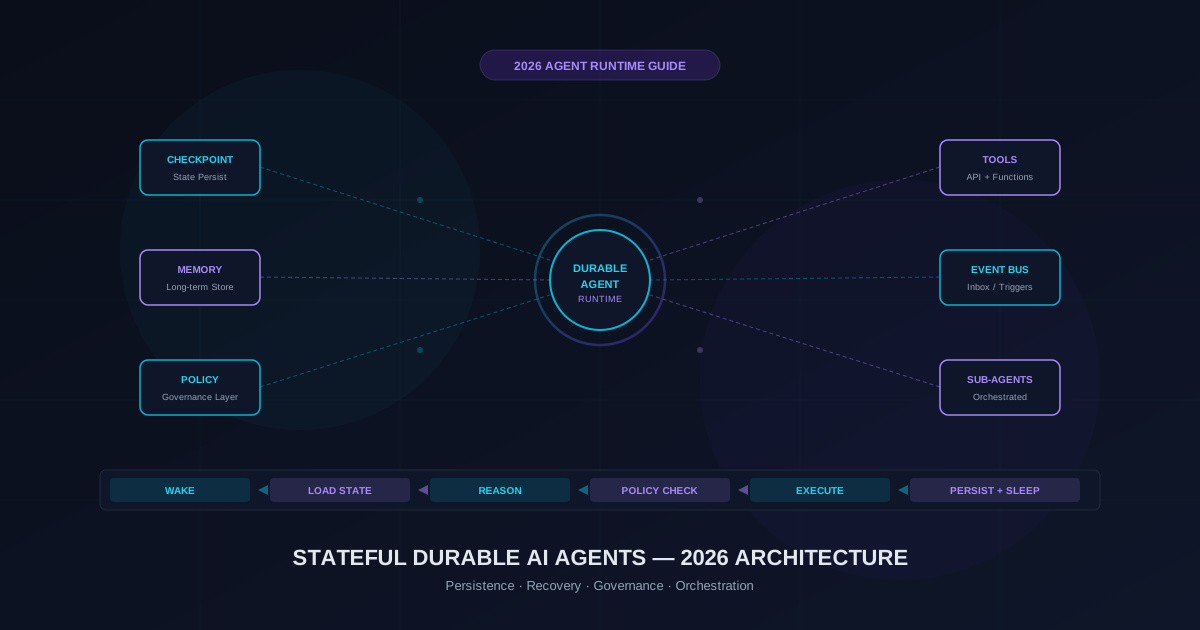
2026 pushed agents from prompt loops toward durable runtimes with persistence, recovery, and long-running execution. Learn how to build stateful workers with identity, memory, tools, and checkpoints.
Read More →
The infrastructure powering your AI is the real battleground. Learn how ShadowRay, model supply chain attacks, and agentic AI risks are reshaping what enterprise security needs to cover.
Read More →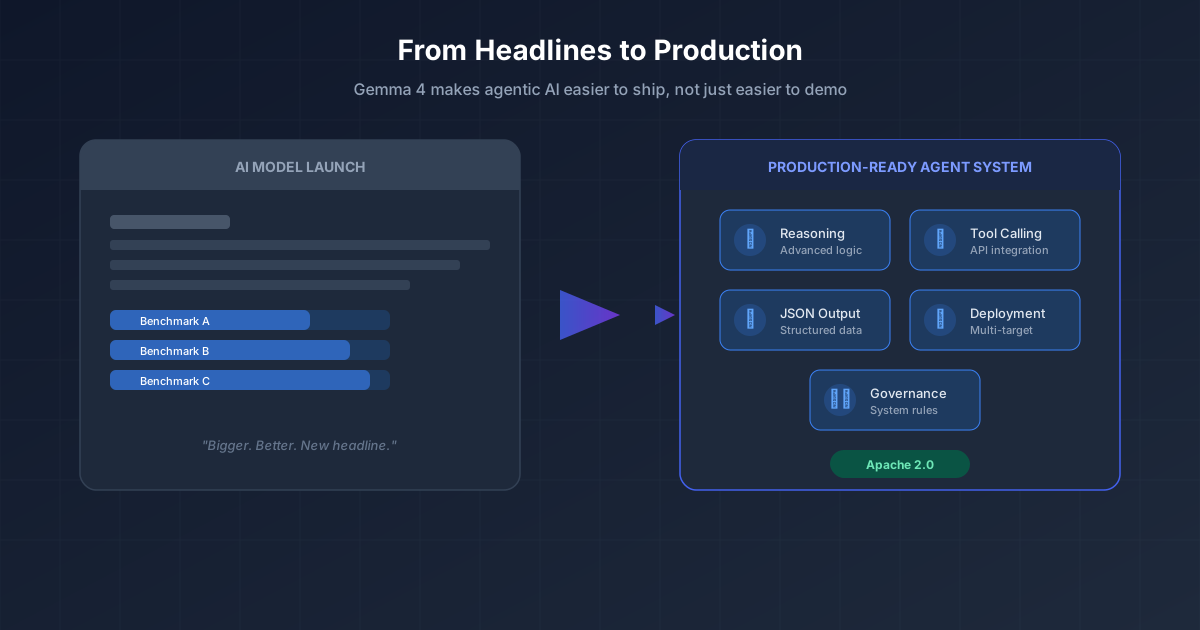
Google's Gemma 4 is positioned as an open model family for agentic workflows — with function calling, structured JSON output, and native system instructions. Here's why that matters for product teams.
Read More →
Google Research's TurboQuant can reduce KV-cache memory by 6× and speed up attention by 8× on H100 GPUs — without retraining. Here's why this quiet advance may matter more than the next model launch.
Read More →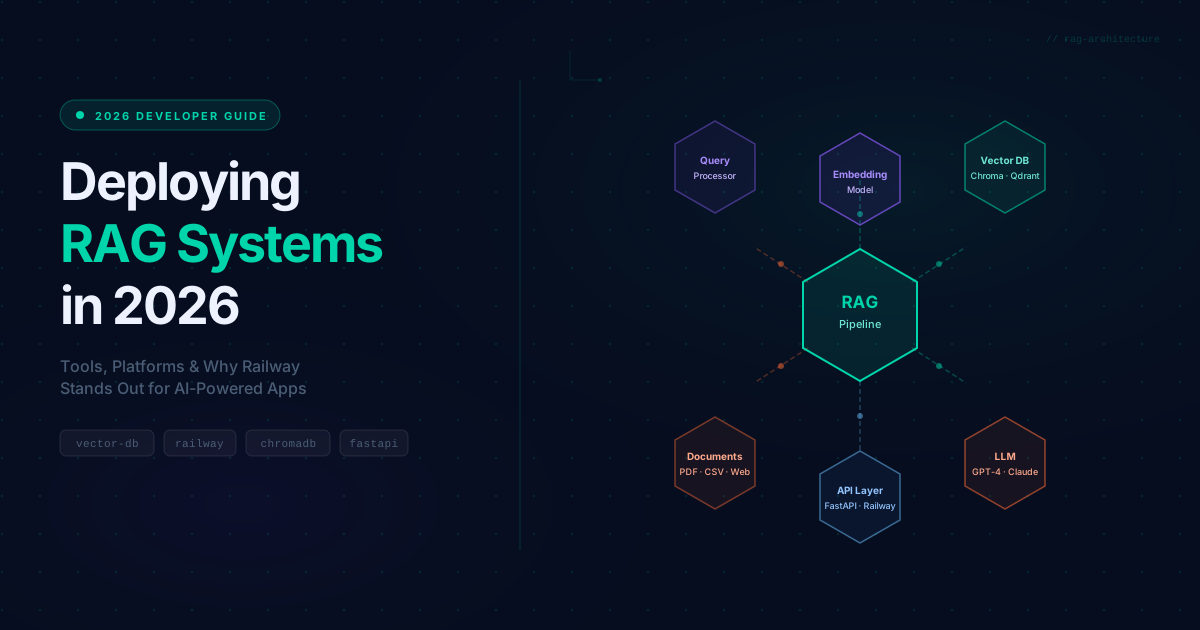
A practical guide to deploying RAG systems. Compare vector databases, evaluate hosting platforms, and learn why Railway is a compelling choice for multi-service RAG deployments.
Read More →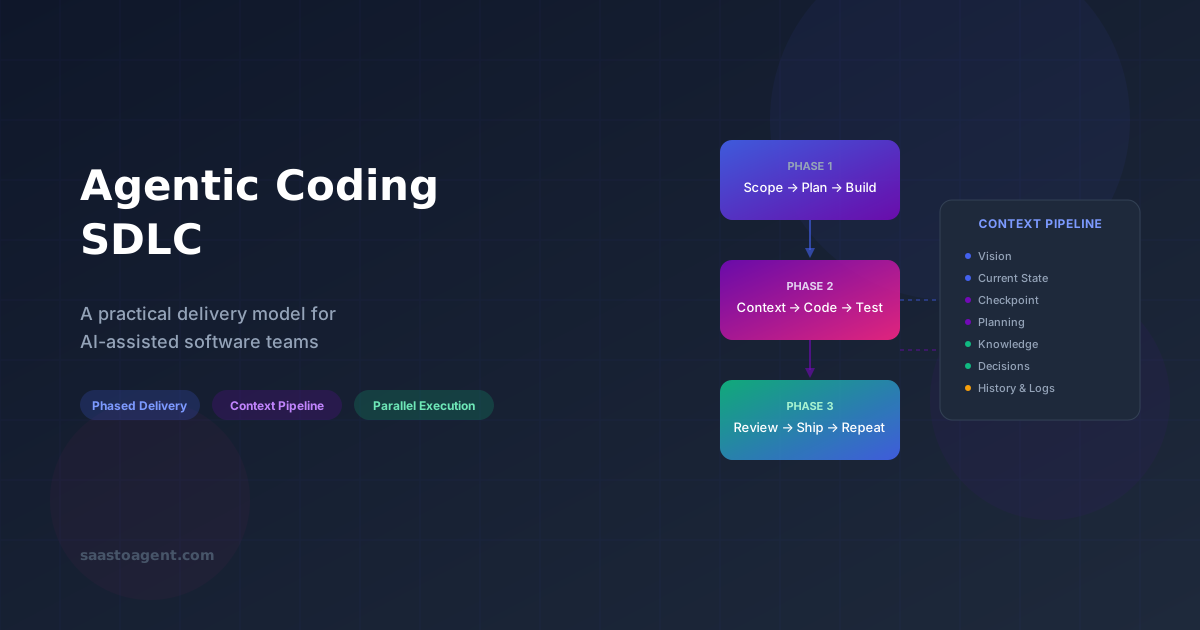
A structured delivery model combining phased implementation with context pipelines for AI-assisted software development. From scope to release with agentic coding tools.
Read More →
A practical guide to the six AI agent protocols every builder needs to understand in 2026. Learn what each one does, when to use it, and how they work together as a stack.
Read More →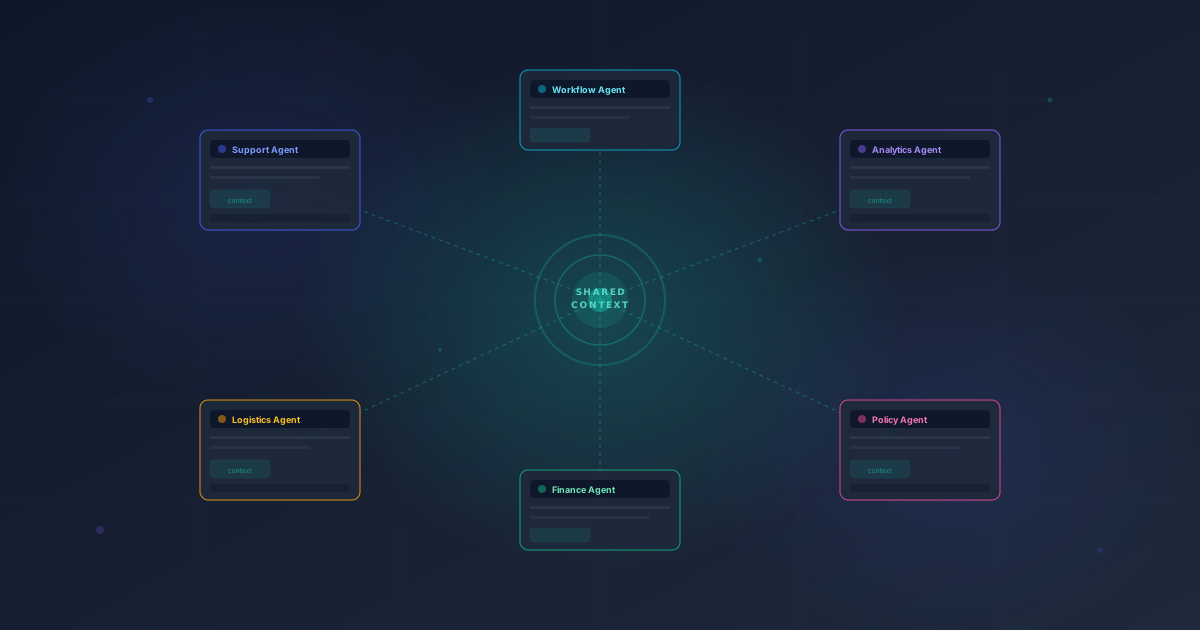
The next wave of enterprise AI is not about stronger models. It is about giving agents access to a shared, governed business context they can act on.
Read More →
Anthropic's Claude can now create interactive charts, diagrams, and visualizations inline in chat. A meaningful shift in AI interface design.
Read More →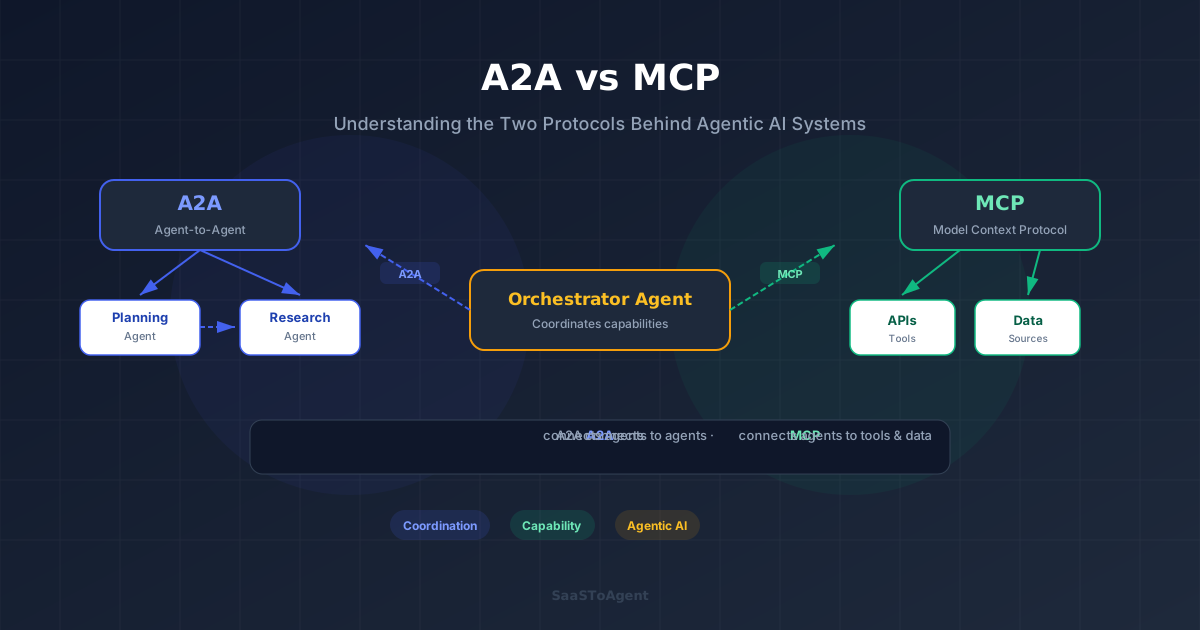
Understand the difference between A2A and MCP protocols. A2A connects agents to agents. MCP connects agents to tools and data.
Read More →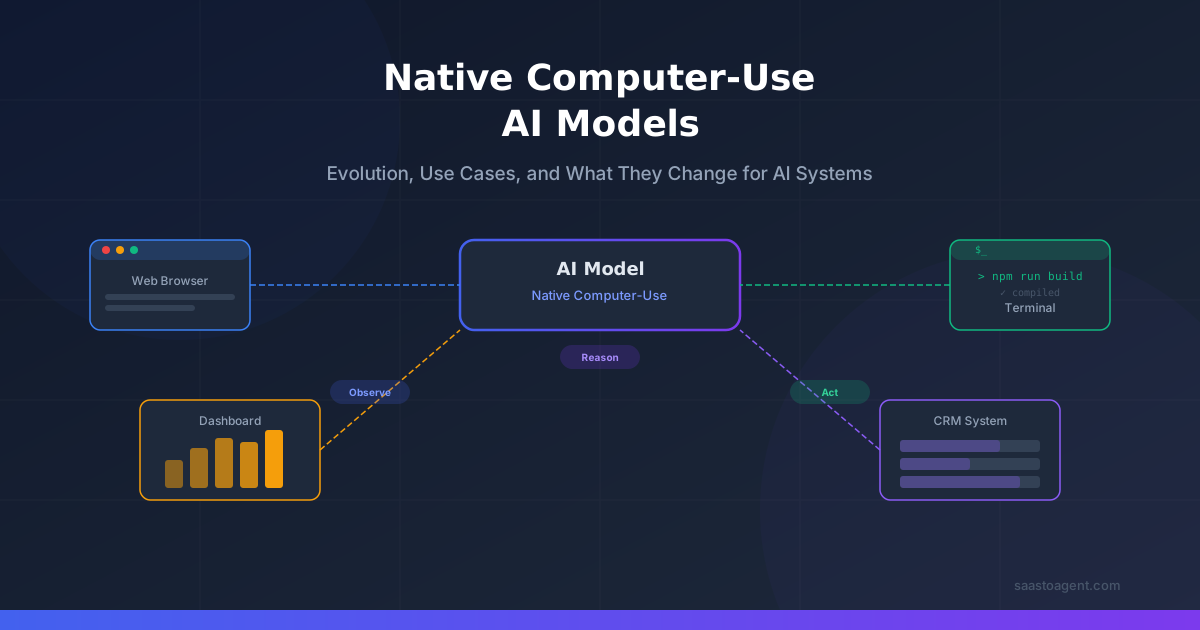
Explore native computer-use AI models that observe interfaces, interact with software, and execute multi-step workflows autonomously.
Read More →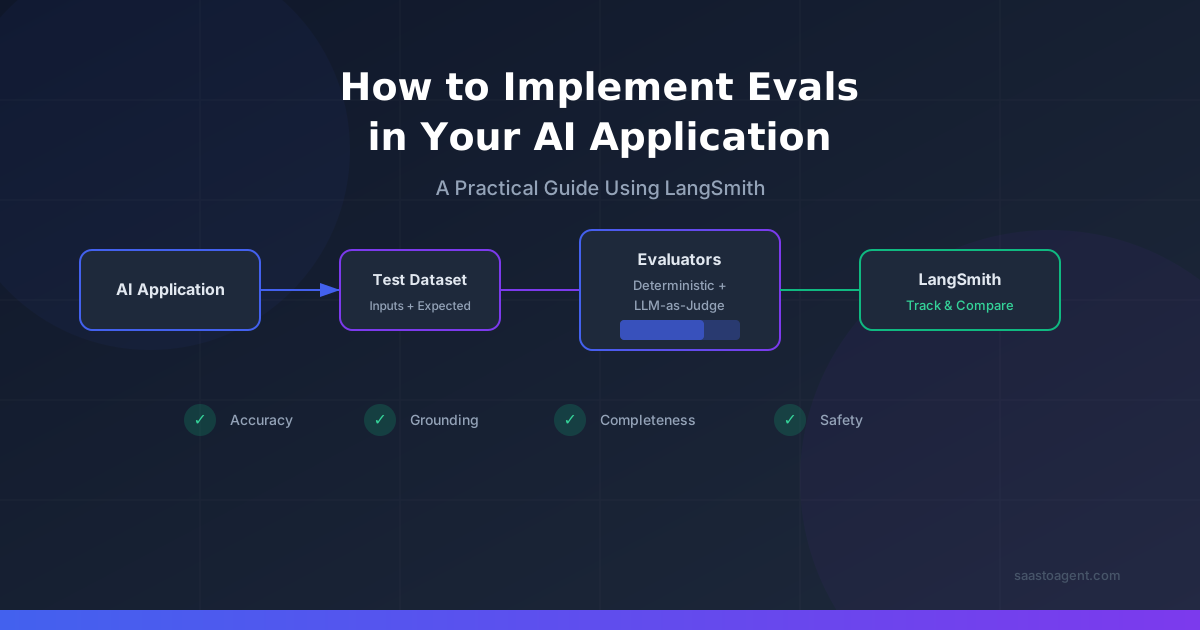
A practical guide to implementing evaluation systems in AI applications using LangSmith. Define success criteria, build datasets, and run continuous evals.
Read More →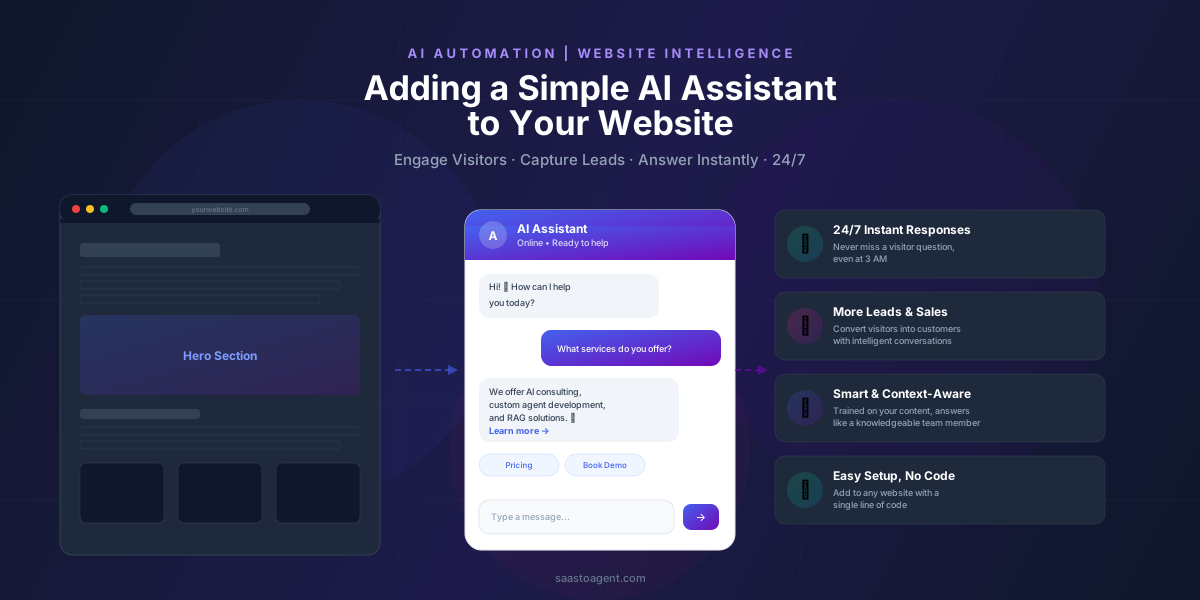
Learn how to add an AI assistant to your website to engage visitors 24/7, capture more leads, and boost sales. A practical guide for everyone.
Read More →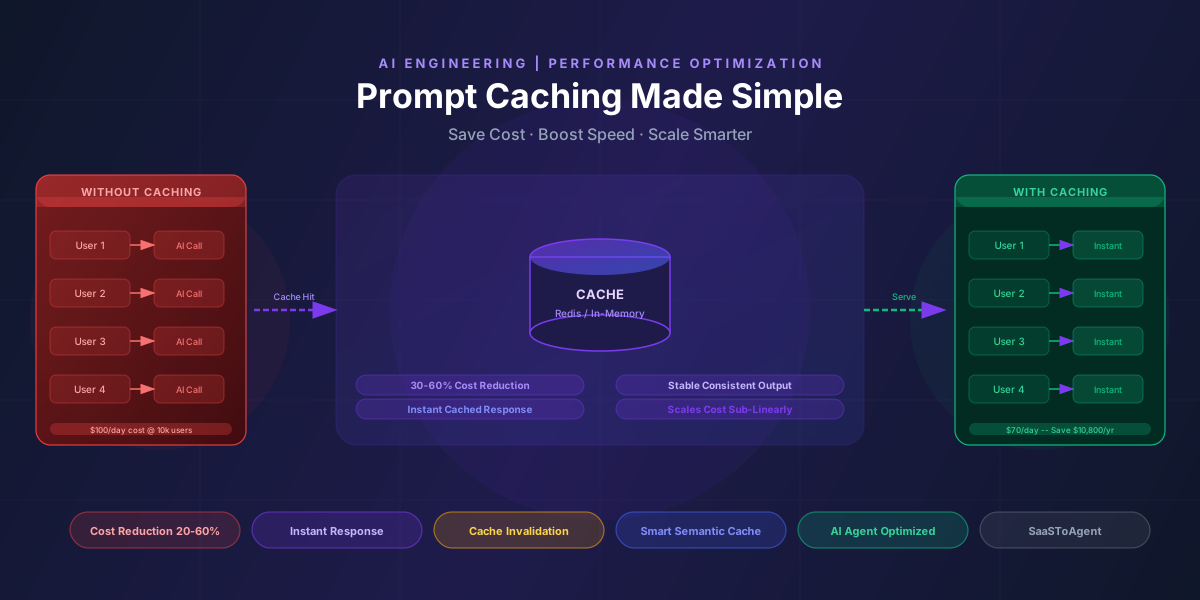
Learn how prompt caching reduces AI costs by 20–60%, eliminates redundant API calls, and makes AI agent features financially sustainable at scale.
Read More →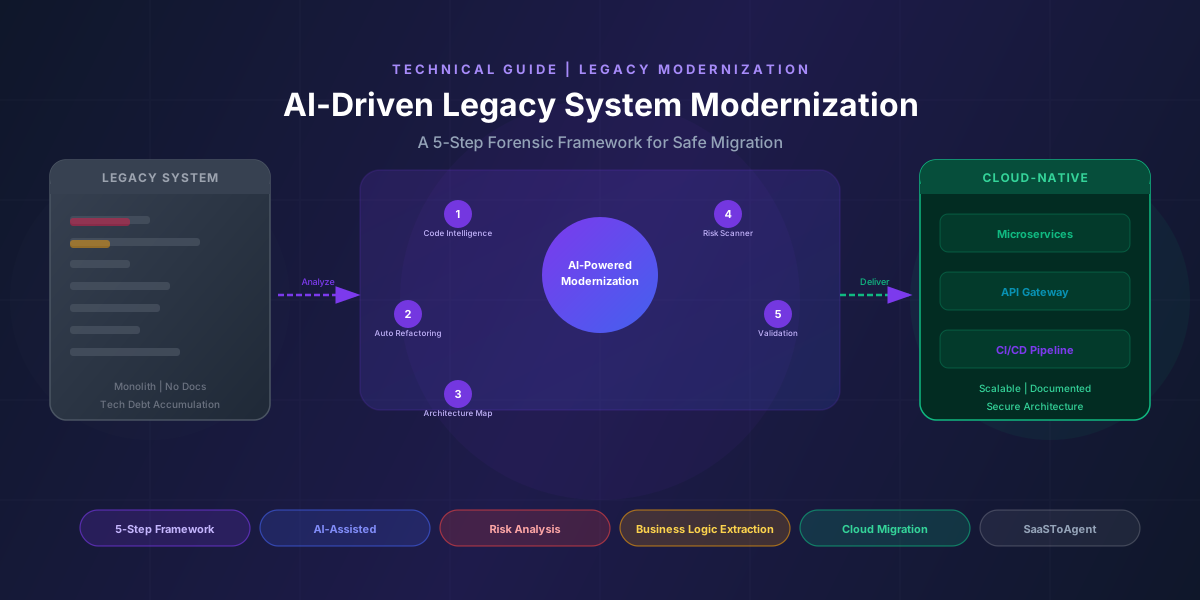
Master AI-driven legacy modernization with a proven 5-step forensic framework. Learn to analyze legacy codebases, extract hidden business rules, and migrate safely to cloud-native architecture.
Read More →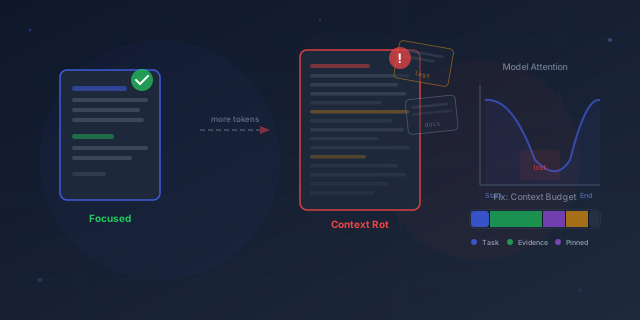
Context rot happens when you keep adding more into a prompt and the AI becomes less reliable. Learn what causes it, how it shows up in real coding, and how to fix it with better context engineering.
Read More →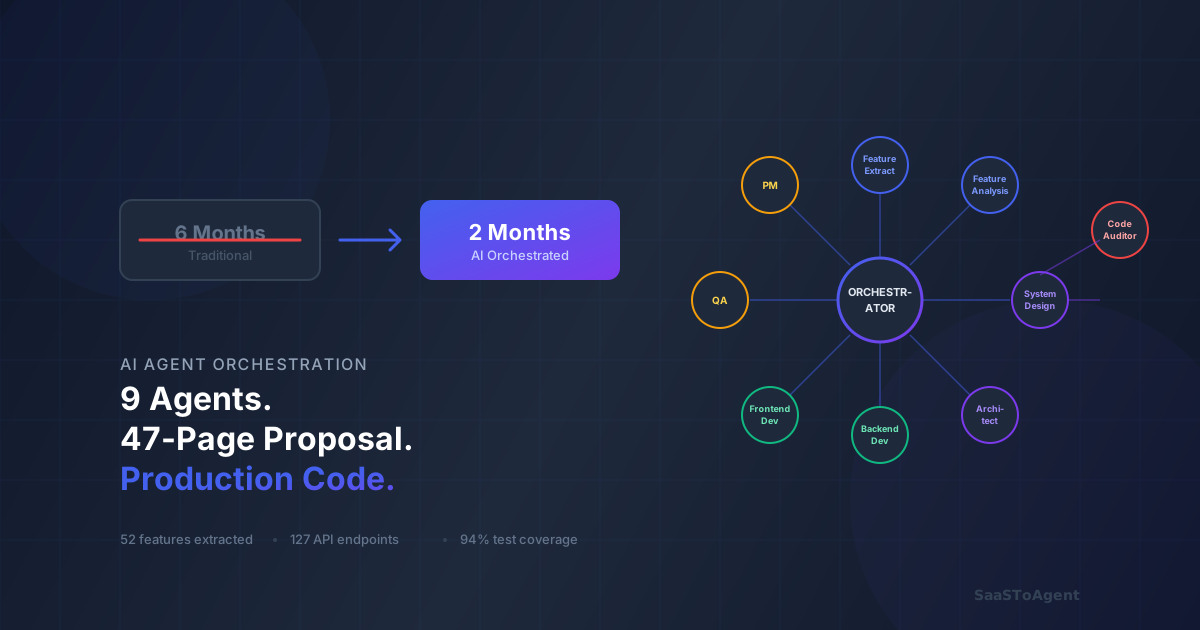
Learn how a 9-agent AI orchestration system transformed a 47-page proposal into production-ready code, cutting development from 6 months to 2 months.
Read More →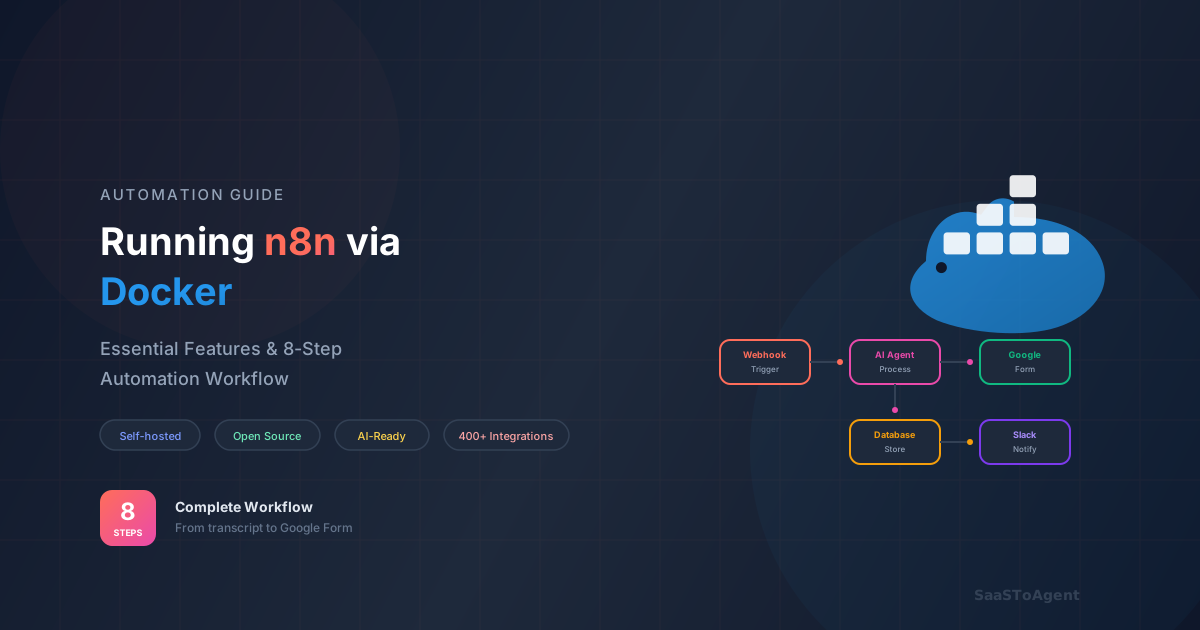
Learn how to run n8n via Docker and build an 8-step automation workflow that transforms meeting transcripts into AI-powered Google Forms questionnaires.
Read More →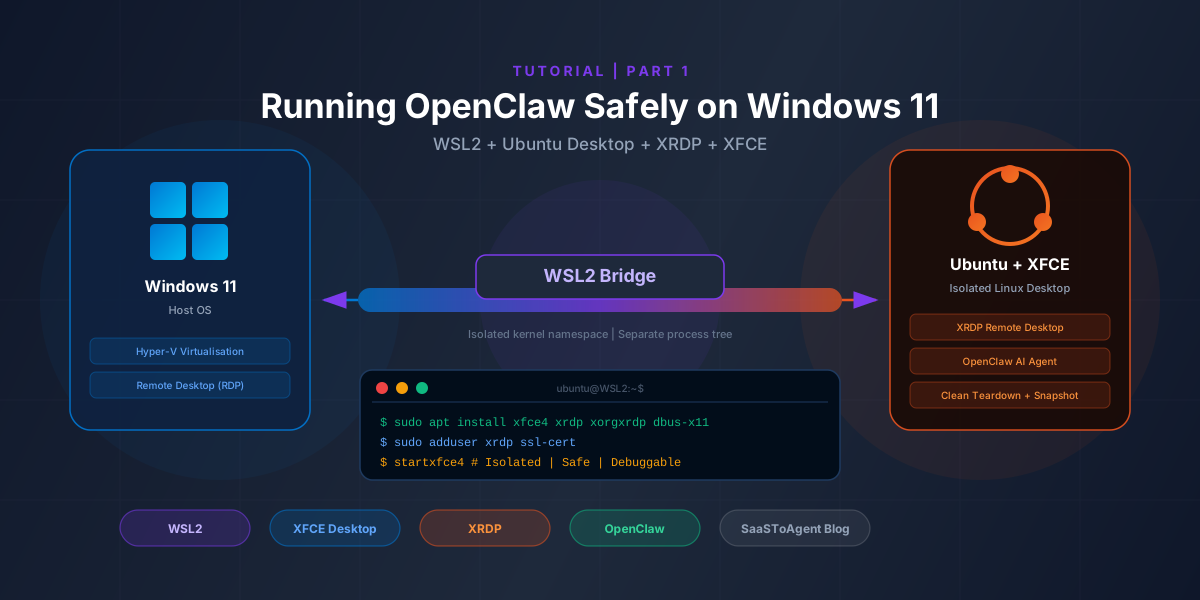
A complete step-by-step guide to setting up a safe, isolated environment for running OpenClaw (formerly MoltBot) on Windows 11 using WSL2, XRDP, and XFCE.
Read More →